
Gita Chapter 2
Chapter 2 · 72 verses
Transcendental Knowledge
सांख्ययोग · Sānkhya Yog
In Chapter 2 of the Bhagavad Gita, Arjuna is overwhelmed by grief and refuses to fight his loved ones. Krishna steps in as his spiritual guide, teaching him the fundamental truth about the eternal soul. He explains that the soul cannot be killed, so mourning the physical body is unwise. Krishna then introduces Karma Yoga, the path of selfless action. He urges Arjuna to perform his righteous duty as a warrior without any attachment to the results, treating victory and defeat equally. Finally, Krishna describes the qualities of a person with steady wisdom. Such a person masters their senses, abandons selfish desires, and remains peaceful amidst life's ups and downs, ultimately attaining spiritual liberation and supreme tranquility.
भगवद गीता के दूसरे अध्याय में, अर्जुन गहरे दुख में डूबकर युद्ध करने से मना कर देते हैं। तब श्रीकृष्ण उनके आध्यात्मिक गुरु के रूप में उनका मार्गदर्शन करते हैं। वे अर्जुन को आत्मा की अमरता का सत्य बताते हैं कि आत्मा कभी नहीं मरती, इसलिए शरीर के लिए शोक करना व्यर्थ है। इसके बाद श्रीकृष्ण निष्काम कर्म योग का सिद्धांत समझाते हैं। वे अर्जुन को बिना किसी फल की इच्छा के, और जय-पराजय को समान मानकर अपना क्षत्रिय धर्म निभाने के लिए प्रेरित करते हैं। अंत में, श्रीकृष्ण एक स्थितप्रज्ञ व्यक्ति के गुणों का वर्णन करते हैं। ऐसा व्यक्ति अपनी इंद्रियों को वश में रखता है, स्वार्थपूर्ण इच्छाओं को त्याग देता है, और जीवन के सुख-दुख में शांत रहकर परम शांति और मोक्ष प्राप्त करता है।
Start reading verse 1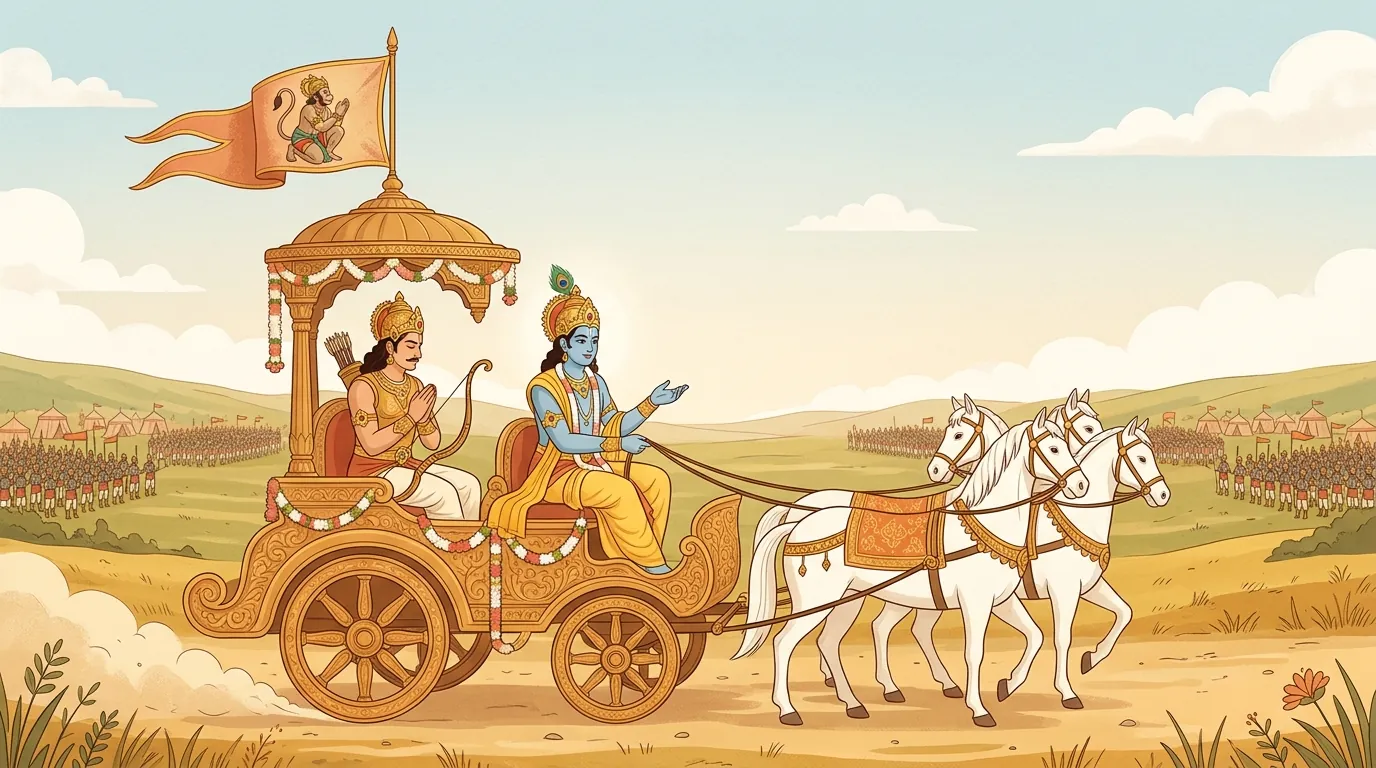
All versesसभी श्लोक
- 2.1 तं तथा कृपयाऽविष्टमश्रुपूर्णाकुलेक्षणम्Sanjaya said: Seeing Arjuna overwhelmed with pity, his mind sinking and his eyes filled with tears, Krishna spoke these words.संजय बोले: अर्जुन को इस तरह दया से भरा, उदास और उनकी आंखों में आंसू देखकर श्रीकृष्ण ने उनसे ये बातें कहीं।
- 2.2 कुतस्त्वा कश्मलमिदं विषमे समुपस्थितम्Krishna said: Arjuna, where is this despair coming from in your hour of crisis? It is unworthy of a noble person, does not lead to heaven, and will only bring you disgrace.श्रीकृष्ण बोले: अर्जुन, मुश्किल की इस घड़ी में तुम्हारे मन में यह निराशा कहां से आ गई? अच्छे लोगों को यह शोभा नहीं देता, इससे न तो स्वर्ग मिलता है और न ही कोई सम्मान।
- 2.3 क्लैब्यं मा स्म गमः पार्थ नैतत्त्वय्युपपद्यतेArjuna, do not give in to this degrading helplessness, because it simply does not suit you. Shake off this petty weakness of heart and stand up.अर्जुन, इस तरह की कमजोरी मत दिखाओ क्योंकि यह तुम पर बिल्कुल अच्छी नहीं लगती। अपने मन की इस छोटी सी कमजोरी को छोड़ो और हिम्मत करके खड़े हो जाओ।
- 2.4 कथं भीष्ममहं संख्ये द्रोणं च मधुसूदनArjuna said: Krishna, how can I shoot arrows in battle at men like Bhishma and Drona? They are my teachers and elders, and I ought to be honoring them instead.अर्जुन ने कहा: कृष्ण, मैं युद्ध में भीष्म पितामह और गुरु द्रोण पर तीर कैसे चला सकता हूं? वे तो मेरे बड़े-बुजुर्ग हैं और मुझे तो उनका सम्मान करना चाहिए।
- 2.5 गुरूनहत्वा हि महानुभावान्I would rather live as a beggar than kill my noble teachers. Even if they are driven by worldly desires, they are still my elders; any wealth or pleasure I might win by killing them would be forever stained with their blood.अपने आदरणीय गुरुओं को मारने से तो अच्छा है कि मैं भीख मांगकर अपना गुजारा कर लूं। भले ही वे दुनियावी फायदों के पीछे हों, पर हैं तो मेरे गुरु ही; उन्हें मारकर मुझे जो भी सुख-संपत्ति मिलेगी, उस पर हमेशा उनके खून के दाग लगे होंगे।
- 2.6 न चैतद्विद्मः कतरन्नो गरीयोWe do not even know which is worse: to conquer them or to be conquered by them. The sons of Dhritarashtra stand right before us, and if we kill them, we would not even want to go on living.हमें तो यह भी नहीं पता कि हमारे लिए क्या सही है—उन्हें हराना या उनसे हार जाना। धृतराष्ट्र के बेटे हमारे सामने खड़े हैं, और अगर हम उन्हें मार देते हैं, तो हमारे लिए भी जीने का कोई मतलब नहीं रह जाएगा।
- 2.7 कार्पण्यदोषोपहतस्वभावःMy heart is weighed down by pity, and my mind is completely confused about my duty. I am your student and I surrender to you; please tell me clearly what is truly best for me.मेरा मन दया के बोझ तले दब गया है और मुझे समझ नहीं आ रहा कि मेरा धर्म क्या है। मैं आपका शिष्य हूं और आपके भरोसे हूं; कृपया मुझे साफ-साफ बताएं कि मेरे लिए सबसे सही रास्ता कौन सा है।
- 2.8 न हि प्रपश्यामि ममापनुद्याI cannot find any way to shake off this grief that is drying up my senses. Even if I were to win a rich, unrivaled kingdom on earth or the power of the gods, it would not take away this pain.मुझे ऐसा कोई रास्ता नहीं दिख रहा जो मेरे इस दुख को कम कर सके। अगर मुझे इस धरती का सबसे बड़ा राज्य या देवताओं जैसी ताकत भी मिल जाए, तो भी मेरा यह दर्द दूर नहीं होगा।
- 2.9 एवमुक्त्वा हृषीकेशं गुडाकेशः परन्तपSanjaya said: After explaining his mind to Krishna, Arjuna simply said, "I will not fight," and fell silent.संजय बोले: श्रीकृष्ण को अपने मन की बात बताने के बाद, अर्जुन ने बस इतना कहा, 'मैं युद्ध नहीं करूंगा,' और एकदम चुप हो गए।
- 2.10 तमुवाच हृषीकेशः प्रहसन्निव भारतSmiling gently right between the two armies, Krishna spoke these words to the grief-stricken Arjuna.दोनों सेनाओं के ठीक बीचों-बीच खड़े होकर, श्रीकृष्ण ने मुस्कुराते हुए दुखी अर्जुन से ये बातें कहीं।
- 2.11 अशोच्यानन्वशोचस्त्वं प्रज्ञावादांश्च भाषसेKrishna said: You speak like a wise man, but you are mourning for things that do not deserve such grief. The truly wise do not weep for the living, nor do they weep for the dead.श्रीकृष्ण बोले: अर्जुन, तुम बातें तो समझदारों जैसी कर रहे हो, लेकिन दुख उस बात का मना रहे हो जिस पर रोना नहीं चाहिए। जो सच में समझदार होते हैं, वे न तो जीवित लोगों के लिए और न ही मरने वालों के लिए शोक मनाते हैं।
- 2.12 न त्वेवाहं जातु नासं न त्वं नेमे जनाधिपाःThere was never a time when I did not exist, nor you, nor any of these kings. And there will never be a time in the future when any of us ceases to exist.ऐसा कभी नहीं था जब मैं, तुम या ये सारे राजा इस दुनिया में नहीं थे। और ऐसा भी कभी नहीं होगा कि भविष्य में हम सब न रहें, हम हमेशा रहेंगे।
- 2.13 देहिनोऽस्मिन्यथा देहे कौमारं यौवनं जराJust as the soul experiences childhood, youth, and old age within this body, it simply passes into another body at death. A wise person is not confused by this natural change.जैसे हमारा शरीर बचपन, जवानी और फिर बुढ़ापे से गुजरता है, वैसे ही मौत के बाद आत्मा एक नया शरीर ले लेती है। समझदार इंसान इस कुदरती बदलाव से कभी परेशान नहीं होता।
- 2.14 मात्रास्पर्शास्तु कौन्तेय शीतोष्णसुखदुःखदाःArjuna, physical sensations like heat and cold bring fleeting moments of happiness and pain. They come and go like the changing seasons, so you must simply learn to endure them.अर्जुन, सर्दी-गर्मी की तरह ही सुख और दुख भी आते-जाते रहते हैं। ये सब बस कुछ समय के लिए होते हैं, इसलिए तुम्हें इन्हें चुपचाप सहना सीखना चाहिए।
- 2.15 यं हि न व्यथयन्त्येते पुरुषं पुरुषर्षभA person who remains steady and undisturbed by both pleasure and pain is truly wise. Such a balanced person becomes ready for ultimate freedom.जो इंसान सुख और दुख दोनों में एक जैसा रहता है और कभी परेशान नहीं होता, वही सच में समझदार है। ऐसा संतुलित व्यक्ति ही सच्ची आज़ादी या मुक्ति पाने के लायक बनता है।
- 2.16 नासतो विद्यते भावो नाभावो विद्यते सतःThose who see the truth understand that the unreal has no lasting existence, and the real never ceases to be. They have realized this by deeply observing the nature of both.सच को जानने वालों ने यह समझ लिया है कि जो झूठ है उसका कोई वजूद नहीं होता, और जो सच है वह कभी खत्म नहीं होता। उन्होंने इन दोनों को गहराई से देखकर ही यह बात कही है।
- 2.17 अविनाशि तु तद्विद्धि येन सर्वमिदं ततम्You must know that the spirit pervading the entire body is completely indestructible. No one has the power to destroy this eternal soul.यह जान लो कि जो चेतना हमारे पूरे शरीर में फैली है, उसे कभी मिटाया नहीं जा सकता। इस अमर आत्मा को खत्म करने की ताकत किसी में नहीं है।
- 2.18 अन्तवन्त इमे देहा नित्यस्योक्ताः शरीरिणःThe physical body will eventually come to an end, but the soul within is eternal, indestructible, and beyond measure. Therefore, Arjuna, stand up and fight.यह शरीर तो एक दिन खत्म हो जाएगा, लेकिन इसके अंदर रहने वाली आत्मा अमर और कभी न मिटने वाली है। इसलिए अर्जुन, उठो और अपना युद्ध लड़ो।
- 2.19 य एनं वेत्ति हन्तारं यश्चैनं मन्यते हतम्Anyone who thinks the soul can kill, or that the soul can be killed, does not truly understand. The true self neither kills nor is ever killed.जो यह सोचता है कि आत्मा किसी को मार सकती है या आत्मा को मारा जा सकता है, वह नासमझ है। सच तो यह है कि आत्मा न तो किसी को मारती है और न ही कभी मारी जाती है।
- 2.20 न जायते म्रियते वा कदाचिThe soul is never born and it never dies. It is unborn, eternal, and primeval, existing beyond the boundaries of time. When the physical body is destroyed, the soul remains completely untouched.आत्मा न तो कभी जन्म लेती है और न ही कभी मरती है। यह हमेशा से है और हमेशा रहेगी। शरीर के नष्ट हो जाने पर भी आत्मा को कुछ नहीं होता।
- 2.21 वेदाविनाशिनं नित्यं य एनमजमव्ययम्Arjuna, once a person truly knows that the soul is indestructible, eternal, and unborn, how can they kill anyone or cause anyone to be killed?अर्जुन, जब कोई इंसान यह अच्छे से जान लेता है कि आत्मा अमर है और इसे कभी मिटाया नहीं जा सकता, तो फिर वह किसी को कैसे मार सकता है या मरवा सकता है?
- 2.22 वासांसि जीर्णानि यथा विहायJust as a person takes off old, worn-out clothes and puts on new ones, the soul leaves behind an old body and steps into a new one.जैसे हम पुराने और फटे कपड़े उतारकर नए कपड़े पहन लेते हैं, बिल्कुल वैसे ही आत्मा भी पुराना शरीर छोड़कर एक नया शरीर अपना लेती है।
- 2.23 नैनं छिन्दन्ति शस्त्राणि नैनं दहति पावकःWeapons cannot cut the soul, and fire cannot burn it. Water cannot make it wet, and the wind cannot dry it out.आत्मा को न तो कोई हथियार काट सकता है और न ही आग इसे जला सकती है। इसे न तो पानी भिगो सकता है और न ही हवा सुखा सकती है।
- 2.24 अच्छेद्योऽयमदाह्योऽयमक्लेद्योऽशोष्य एव चThe soul cannot be broken, burned, dissolved, or dried. It is everlasting, present everywhere, completely unchanging, and eternally the same.आत्मा को तोड़ा, जलाया या सुखाया नहीं जा सकता। यह हमेशा रहने वाली, हर जगह मौजूद और कभी न बदलने वाली सच्चाई है।
- 2.25 अव्यक्तोऽयमचिन्त्योऽयमविकार्योऽयमुच्यतेThe soul is beyond what our senses can perceive, beyond what our minds can imagine, and beyond all physical change. Once you understand this, you have no reason to grieve for the body.आत्मा को हम अपनी आंखों से नहीं देख सकते और न ही दिमाग से इसकी कल्पना कर सकते हैं, यह हर बदलाव से परे है। यह बात समझ लेने के बाद तुम्हें शरीर के लिए दुखी नहीं होना चाहिए।
- 2.26 अथ चैनं नित्यजातं नित्यं वा मन्यसे मृतम्Even if you believe that life is just an endless cycle of birth and death, you still have no reason to be so sad.अगर तुम यह भी मानते हो कि जन्म और मौत का यह सिलसिला हमेशा चलता रहता है, तो भी तुम्हारे पास इतना उदास होने की कोई वजह नहीं है।
- 2.27 जातस्य हि ध्रुवो मृत्युर्ध्रुवं जन्म मृतस्य चFor anyone who is born, death is absolutely certain, and for anyone who dies, birth is sure to follow. Since this cycle is inevitable, you should not grieve over it.जिसने जन्म लिया है, उसकी मौत पक्की है और जो मरता है, उसका फिर से जन्म लेना भी तय है। जब इस चक्र को बदला ही नहीं जा सकता, तो तुम्हें इसके लिए शोक नहीं मनाना चाहिए।
- 2.28 अव्यक्तादीनि भूतानि व्यक्तमध्यानि भारतAll beings are invisible before they are born, visible during their lives, and invisible again after they die. Since this is just the natural way of things, what is there to mourn?जन्म से पहले कोई भी जीव दिखाई नहीं देता, जीवन के दौरान वह सामने रहता है और मौत के बाद फिर से गायब हो जाता है। जब दुनिया का यही नियम है, तो फिर इसमें रोने वाली क्या बात है?
- 2.29 आश्चर्यवत्पश्यति कश्चिदेनSome look at the soul in absolute wonder, some speak of it as a miracle, and others hear about it in awe. Yet, even after hearing all this, many still do not understand it at all.कोई इस आत्मा को बड़े अचरज से देखता है, कोई इसके बारे में हैरानी से बात करता है और कोई इसे सुनकर भी हैरान रह जाता है। लेकिन इतना सब सुनने के बाद भी, बहुत से लोग इसे बिल्कुल नहीं समझ पाते।
- 2.30 देही नित्यमवध्योऽयं देहे सर्वस्य भारतArjuna, the soul that dwells within the body of every living being is eternal and can never be killed. Therefore, you do not need to mourn for anyone.अर्जुन, हर जीव के शरीर में रहने वाली यह आत्मा अमर है और इसे कभी मारा नहीं जा सकता। इसलिए तुम्हें किसी के भी मरने का दुख नहीं मनाना चाहिए।
- 2.31 स्वधर्ममपि चावेक्ष्य न विकम्पितुमर्हसिLooking at your own duty as a warrior, you should not hesitate. For someone in your position, there is no greater good than fighting for a just and righteous cause.एक योद्धा के रूप में अपने धर्म को देखते हुए तुम्हें बिल्कुल नहीं हिचकिचाना चाहिए। तुम्हारे लिए सच्चाई और न्याय के लिए लड़ने से बढ़कर कोई दूसरा अच्छा काम नहीं है।
- 2.32 यदृच्छया चोपपन्नं स्वर्गद्वारमपावृतम्Arjuna, warriors are truly fortunate when an opportunity like this comes to them unasked. A righteous battle like this opens the very doors to heaven.अर्जुन, वे योद्धा बहुत खुशकिस्मत होते हैं जिन्हें बिना मांगे ही ऐसा युद्ध लड़ने का मौका मिल जाता है। सच्चाई के लिए लड़ा गया ऐसा युद्ध तो सीधे स्वर्ग के दरवाजे खोल देता है।
- 2.33 अथ चैत्त्वमिमं धर्म्यं संग्रामं न करिष्यसिIf you walk away from this righteous war, you will be turning your back on your duty and your honor. By doing so, you will only bring moral failure upon yourself.अगर तुम न्याय के लिए हो रहे इस युद्ध से मुंह मोड़ लोगे, तो तुम अपने धर्म और सम्मान दोनों को खो दोगे। ऐसा करके तुम सिर्फ गलत रास्ते पर ही जाओगे।
- 2.34 अकीर्तिं चापि भूतानि कथयिष्यन्ति तेऽव्ययाम्People will talk about your disgrace for generations to come. For a person of honor, such a ruined reputation is far worse than death.लोग आने वाले कई सालों तक तुम्हारी बदनामी की बातें करेंगे। एक इज्जतदार इंसान के लिए इस तरह का अपमान तो मौत से भी बदतर होता है।
- 2.35 भयाद्रणादुपरतं मंस्यन्ते त्वां महारथाःThe great generals will assume you fled the battlefield out of sheer cowardice. Those who used to respect you deeply will now look down on you with contempt.बड़े-बड़े सेनापति यही सोचेंगे कि तुम डरपोक हो और डर के मारे मैदान से भाग गए। जो लोग कल तक तुम्हारी बहुत इज्जत करते थे, वे अब तुम्हें नीची नजर से देखेंगे।
- 2.36 अवाच्यवादांश्च बहून् वदिष्यन्ति तवाहिताःYour enemies will mock your strength and spread cruel rumors about you. What could possibly be more painful than that?तुम्हारे दुश्मन तुम्हारी ताकत का मजाक उड़ाएंगे और तुम्हारे बारे में बहुत सी उल्टी-सीधी बातें करेंगे। भला इससे ज्यादा दुख देने वाली बात और क्या हो सकती है?
- 2.37 हतो वा प्राप्स्यसि स्वर्गं जित्वा वा भोक्ष्यसे महीम्If you are killed in battle, you will attain heaven, and if you win, you will enjoy the earth. Therefore, Arjuna, stand up with firm determination and fight.अगर तुम युद्ध में मारे गए, तो तुम्हें स्वर्ग मिलेगा और अगर जीत गए, तो इस धरती का सुख भोगोगे। इसलिए अर्जुन, पक्का इरादा करो और लड़ने के लिए खड़े हो जाओ।
- 2.38 सुखदुःखे समे कृत्वा लाभालाभौ जयाजयौFight simply because it is the right thing to do, treating pleasure and pain, loss and gain, victory and defeat as exactly the same. If you act with this balanced mindset, you will do no wrong.सुख-दुख, नफा-नुकसान और जीत-हार को एक बराबर मानकर, बस अपना फर्ज समझकर युद्ध करो। इस सोच के साथ काम करने से तुम कभी कोई गलती नहीं करोगे।
- 2.39 एषा तेऽभिहिता सांख्ये बुद्धिर्योगे त्विमां श्रृणुI have just explained the deep philosophy of the soul to you. Now, listen to the path of yoga, the practice of selfless action, which will help you break completely free from the chains of karma.मैंने तुम्हें आत्मा के इस गहरे ज्ञान के बारे में बता दिया है। अब तुम योग और निस्वार्थ कर्म का रास्ता सुनो, जिससे तुम अपने कर्मों के हर बंधन से पूरी तरह आजाद हो सकते हो।
- 2.40 नेहाभिक्रमनाशोऽस्ति प्रत्यवायो न विद्यतेOn this path of selfless action, no effort is ever wasted, and there are no negative side effects. Even a tiny bit of practice in this direction will protect you from the greatest of fears.बिना किसी स्वार्थ के किए गए काम में कोई भी मेहनत कभी बेकार नहीं जाती, और न ही इसका कोई बुरा असर होता है। इस रास्ते पर बढ़ाया गया एक छोटा सा कदम भी तुम्हें बड़े से बड़े डर से बचा लेता है।
- 2.41 व्यवसायात्मिका बुद्धिरेकेह कुरुनन्दनArjuna, those who walk this path have a focused mind and a single, clear goal. In contrast, the thoughts of those who lack determination scatter endlessly in countless directions.अर्जुन, जो लोग इस रास्ते पर चलते हैं, उनका मन और लक्ष्य एकदम साफ और एक ही होता है। इसके उलट, जिनका मन पक्का नहीं होता, उनकी सोच अनगिनत दिशाओं में भटकती रहती है।
- 2.42 यामिमां पुष्पितां वाचं प्रवदन्त्यविपश्चितःPeople with shallow understanding are easily drawn to the flowery promises of the scriptures. Arjuna, they become obsessed with heavenly rewards and argue that nothing else matters.अर्जुन, कम समझ वाले लोग शास्त्रों की उन लुभावनी बातों में जल्दी आ जाते हैं जो स्वर्ग के सुखों का लालच देती हैं। वे बस इन्हीं बातों में उलझे रहते हैं और मानते हैं कि इसके अलावा और कुछ सच नहीं है।
- 2.43 कामात्मानः स्वर्गपरा जन्मकर्मफलप्रदाम्Driven by their own desires, they view heaven as the ultimate goal. They perform elaborate rituals hoping to secure wealth, power, and a good rebirth, completely missing the deeper truth.अपनी इच्छाओं में डूबे ये लोग स्वर्ग को ही सब कुछ मान बैठते हैं। वे धन, ताकत और अगले जन्म में सुख पाने के लिए तरह-तरह के कर्मकांड करते हैं, लेकिन असली सच्चाई से दूर रहते हैं।
- 2.44 भोगैश्वर्यप्रसक्तानां तयापहृतचेतसाम्When people are deeply attached to worldly pleasures and success, their minds are easily carried away. They simply cannot develop the focused determination needed for true spiritual meditation.जो लोग दुनिया की सुख-सुविधाओं और दिखावे में बहुत ज्यादा खोए रहते हैं, उनका मन आसानी से भटक जाता है। ऐसे लोगों के अंदर ध्यान और ईश्वर से जुड़ने का पक्का इरादा कभी नहीं बन पाता।
- 2.45 त्रैगुण्यविषया वेदा निस्त्रैगुण्यो भवार्जुनThe scriptures largely deal with the three basic qualities of material nature. Arjuna, you must rise above these qualities and free yourself from opposing dualities like pain and pleasure. Stay grounded in truth, let go of the anxiety to acquire and protect things, and rest in your true self.अर्जुन, वेदों में ज्यादातर प्रकृति के तीन गुणों की ही बात की गई है, पर तुम्हें इन तीनों से ऊपर उठना है। सुख-दुख जैसे भेदों को छोड़कर हमेशा सच्चाई में टिके रहो, और कुछ भी पाने या बचाने की चिंता छोड़कर खुद में मगन रहो।
- 2.46 यावानर्थ उदपाने सर्वतः संप्लुतोदकेA small well is of little use when you are surrounded by a vast, overflowing lake. In the same way, all the rituals and texts are naturally fulfilled for someone who has directly realized the ultimate truth.जब चारों तरफ पानी से भरी एक बड़ी झील हो, तो एक छोटे कुएं की कोई खास जरूरत नहीं रह जाती। ठीक वैसे ही, जिसने परम सत्य को जान लिया है, उसके लिए शास्त्रों के सभी कर्मकांड अपने आप पूरे हो जाते हैं।
- 2.47 कर्मण्येवाधिकारस्ते मा फलेषु कदाचनYou have the right to do your work, but you never have a claim to the results of what you do. Do not act just to get a specific reward, but do not let yourself fall into laziness either.अर्जुन, तुम्हारा हक सिर्फ अपना काम करने पर है, उसके नतीजों पर तुम्हारा कोई जोर नहीं है। इसलिए कोई भी काम सिर्फ इनाम पाने के लालच में मत करो, लेकिन साथ ही काम से जी भी मत चुराओ।
- 2.48 योगस्थः कुरु कर्माणि सङ्गं त्यक्त्वा धनञ्जयArjuna, do your work while rooted in yoga, letting go of your attachments. Stay completely balanced whether you succeed or fail, because this very evenness of mind is what yoga truly means.अर्जुन, हर तरह के लगाव को छोड़कर और योग में टिक कर अपना काम करो। काम में कामयाबी मिले या नाकामी, दोनों में मन को एक जैसा शांत रखो, क्योंकि इसी संतुलन का नाम ही योग है।
- 2.49 दूरेण ह्यवरं कर्म बुद्धियोगाद्धनञ्जयActions driven by selfish desires are far inferior to those guided by clear, balanced wisdom. Seek shelter in this clarity of mind, Arjuna, because people who are constantly chasing rewards only make themselves miserable.अर्जुन, लालच में आकर किए गए काम उस काम से बहुत छोटे हैं जो साफ और शांत मन से किए जाते हैं। इसलिए अपनी समझ को साफ रखो, क्योंकि जो लोग सिर्फ नतीजों के पीछे भागते हैं, वे हमेशा दुखी रहते हैं।
- 2.50 बुद्धियुक्तो जहातीह उभे सुकृतदुष्कृतेA person with a balanced mind moves beyond both good and bad deeds in this very life. Therefore, dedicate yourself to yoga, which is simply the art of living and acting with true skill.जिसका मन पूरी तरह संतुलित है, वह इसी जीवन में अच्छे और बुरे दोनों तरह के कर्मों के असर से आज़ाद हो जाता है। इसलिए तुम योग को अपनाओ, क्योंकि काम को सही और कुशल तरीके से करने का नाम ही योग है।
- 2.51 कर्मजं बुद्धियुक्ता हि फलं त्यक्त्वा मनीषिणःBy letting go of the results of their actions, wise people unite their minds with the divine. They break free from the cycle of birth and death, eventually reaching a state completely free of suffering.समझदार लोग अपने कामों के नतीजों की चिंता छोड़कर खुद को ईश्वर से जोड़ लेते हैं। ऐसा करके वे जन्म-मरण के चक्कर से छूट जाते हैं और उस जगह पहुँच जाते हैं जहाँ कोई दुख नहीं है।
- 2.52 यदा ते मोहकलिलं बुद्धिर्व्यतितरिष्यतिWhen your mind finally clears the dense thicket of confusion and illusion, you will naturally lose interest in all the rituals you have heard about or have yet to hear.जब तुम्हारी समझ मोह और उलझनों के घने जंगल को पार कर लेगी, तब तुम्हारा मन एकदम साफ हो जाएगा। उसके बाद तुम्हें उन सभी कर्मकांडों से कोई लगाव नहीं रहेगा, जो तुमने सुने हैं या आगे सुनोगे।
- 2.53 श्रुतिविप्रतिपन्ना ते यदा स्थास्यति निश्चलाRight now, your mind is pulled in different directions by conflicting teachings. When it finally rests perfectly still and focused in deep meditation, you will experience true yoga.अभी तुम्हारा मन तरह-तरह की बातें सुनकर भटक रहा है। जब यह सारी उलझनें छोड़कर ध्यान में एकदम शांत और स्थिर हो जाएगा, तब तुम सच्चे योग को समझ पाओगे।
- 2.54 स्थितप्रज्ञस्य का भाषा समाधिस्थस्य केशवArjuna asked: Krishna, how would you describe someone whose mind is firmly anchored in deep spiritual awareness? How does a person of such steady wisdom speak, sit, and move through the world?अर्जुन ने पूछा: कृष्ण, जिस इंसान की समझ एकदम पक्की और शांत हो चुकी है, उसकी पहचान क्या है? ऐसा स्थिर मन वाला व्यक्ति कैसे बोलता है, कैसे बैठता है और दुनिया में कैसे चलता-फिरता है?
- 2.55 प्रजहाति यदा कामान् सर्वान् पार्थ मनोगतान्Krishna replied: Arjuna, when a person lets go of all the desires that crowd the mind and finds deep contentment simply in their own true self, they are said to have steady wisdom.कृष्ण ने कहा: अर्जुन, जब कोई इंसान अपने मन में उठने वाली सारी इच्छाओं को छोड़ देता है और खुद में ही पूरी तरह खुश रहता है, तब उसे स्थिर बुद्धि वाला कहा जाता है।
- 2.56 दुःखेष्वनुद्विग्नमनाः सुखेषु विगतस्पृहःA sage of steady wisdom is someone whose mind is not shaken by sorrow and who does not eagerly chase after pleasure. They have successfully moved past attachment, fear, and anger.जो दुखों के आने पर घबराता नहीं और सुखों के पीछे नहीं भागता, उसकी समझ पक्की होती है। ऐसा व्यक्ति किसी भी तरह के लगाव, डर और गुस्से से पूरी तरह आज़ाद होता है।
- 2.57 यः सर्वत्रानभिस्नेहस्तत्तत्प्राप्य शुभाशुभम्True wisdom is firmly established in someone who moves through life without clinging to anything. They neither celebrate when good things happen nor fall into despair when faced with misfortune.जो इंसान किसी भी चीज़ से चिपकता नहीं है, उसकी समझ एकदम स्थिर होती है। वह जिंदगी में कुछ अच्छा मिलने पर न तो बहुत उछलता है और न ही कुछ बुरा होने पर दुखी होता है।
- 2.58 यदा संहरते चायं कूर्मोऽङ्गानीव सर्वशःJust as a tortoise pulls its limbs inside its shell, a truly wise person can withdraw their senses from the distractions of the outside world. This ability shows that their understanding is firmly grounded.जैसे एक कछुआ खतरे को देखकर अपने अंगों को खोल के अंदर खींच लेता है, वैसे ही एक समझदार इंसान अपनी इंद्रियों को दुनिया के लालच से दूर कर लेता है। इसी से पता चलता है कि उसकी बुद्धि स्थिर हो चुकी है।
- 2.59 विषया विनिवर्तन्ते निराहारस्य देहिनःYou can force yourself to stay away from physical pleasures, but the inner craving for them usually remains. However, even that subtle taste fades away completely once you experience the highest truth.तुम खुद को दुनिया के सुखों से दूर तो रख सकते हो, लेकिन मन के अंदर उनकी लालसा फिर भी बची रहती है। पर जब कोई उस परम सत्य को महसूस कर लेता है, तो सुखों की यह अंदरूनी चाहत भी हमेशा के लिए खत्म हो जाती है।
- 2.60 यततो ह्यपि कौन्तेय पुरुषस्य विपश्चितःThe senses are incredibly strong and turbulent, Arjuna. They can violently sweep away the mind of even a wise person who is actively trying to control them.अर्जुन, हमारी इंद्रियां बहुत ही चंचल और ताकतवर होती हैं। जो समझदार इंसान इन्हें काबू में रखने की पूरी कोशिश कर रहा होता है, ये उसके मन को भी झटके से भटका देती हैं।
- 2.61 तानि सर्वाणि संयम्य युक्त आसीत मत्परःA true yogi brings all these senses under control and sits in meditation, focusing entirely on the ultimate reality. When the senses are finally mastered, a person's wisdom becomes perfectly steady.एक सच्चा योगी अपनी सभी इंद्रियों को काबू में रखकर सिर्फ मुझ पर ध्यान लगाता है। जो इंसान अपनी इंद्रियों को इस तरह वश में कर लेता है, उसकी समझ पूरी तरह से पक्की हो जाती है।
- 2.62 ध्यायतो विषयान्पुंसः सङ्गस्तेषूपजायतेWhen you constantly think about worldly objects, you naturally become attached to them. This attachment turns into desire, and when that desire is frustrated, it quickly erupts into anger.जब तुम दुनिया की चीज़ों के बारे में सोचते रहते हो, तो तुम्हें उनसे लगाव हो जाता है। इस लगाव से उन्हें पाने की इच्छा पैदा होती है, और जब वह इच्छा पूरी नहीं होती तो गुस्सा आता है।
- 2.63 क्रोधाद्भवति संमोहः संमोहात्स्मृतिविभ्रमःAnger clouds the mind with delusion, which in turn destroys your memory of what is right. Without memory, your intellect is ruined, and once your intellect is lost, you fall completely off your path.गुस्से से सोचने-समझने की ताकत खो जाती है और सही-गलत की याद मिट जाती है। याददाश्त बिगड़ने से इंसान की बुद्धि मारी जाती है, और बुद्धि के खत्म होते ही उसका पूरी तरह पतन हो जाता है।
- 2.64 रागद्वेषवियुक्तैस्तु विषयानिन्द्रियैश्चरन्On the other hand, someone who has mastered their own mind can interact with the world without being pulled by likes and dislikes. By keeping their senses under control, they find a deep, lasting tranquility.दूसरी तरफ, जो इंसान अपने मन को काबू में कर लेता है, वह पसंद-नापसंद में उलझे बिना दुनिया के बीच रह सकता है। अपनी इंद्रियों को वश में रखने से उसे एक गहरी और सच्ची शांति मिलती है।
- 2.65 प्रसादे सर्वदुःखानां हानिरस्योपजायतेIn this state of peaceful clarity, all of life's sorrows simply melt away. The intellect of someone with such a joyful, tranquil mind quickly becomes steady and secure.इस गहरी शांति के मिलते ही जीवन के सारे दुख-दर्द अपने आप मिट जाते हैं। ऐसे खुश और शांत मन वाले इंसान की बुद्धि बहुत जल्दी स्थिर और पक्की हो जाती है।
- 2.66 नास्ति बुद्धिरयुक्तस्य न चायुक्तस्य भावनाAn undisciplined mind lacks clear understanding and the ability to reflect deeply. Without inner reflection there can be no peace, and without peace, how can anyone be truly happy?जिसका मन काबू में नहीं है, उसकी समझ कभी साफ नहीं हो सकती और न ही वह गहराई से सोच सकता है। बिना शांत मन के शांति नहीं मिल सकती, और शांति के बिना कोई इंसान खुश कैसे रह सकता है?
- 2.67 इन्द्रियाणां हि चरतां यन्मनोऽनुविधीयतेJust as a strong wind sweeps a boat off its course on the water, letting your mind follow even a single wandering sense can completely carry away your good judgment.जैसे पानी में चलती नाव को तेज हवा भटका देती है, वैसे ही अगर मन किसी एक भी भटकती हुई इंद्रिय के पीछे लग जाए, तो वह इंसान की सारी समझदारी को बहा ले जाता है।
- 2.68 तस्माद्यस्य महाबाहो निगृहीतानि सर्वशःTherefore, Arjuna, true wisdom belongs to the person who can completely withdraw their senses from the countless distractions of the world.इसलिए अर्जुन, सच्ची समझ उसी इंसान के पास है जिसने अपनी इंद्रियों को दुनिया के सारे लालच और भटकाव से पूरी तरह खींच लिया है।
- 2.69 या निशा सर्वभूतानां तस्यां जागर्ति संयमीWhat seems like dark night to ordinary people is clear daylight to a self-controlled sage. Conversely, the worldly pursuits that keep most people wide awake are like a dark night to the clear-seeing sage.आम लोगों को जो चीज़ें अंधेरी रात जैसी लगती हैं, खुद पर काबू रखने वाले ज्ञानी के लिए वे दिन के उजाले जैसी होती हैं। वहीं, दुनिया की जिन बातों में आम लोग खोए रहते हैं, वे एक ज्ञानी के लिए रात के अंधेरे जैसी होती हैं।
- 2.70 आपूर्यमाणमचलप्रतिष्ठंThe ocean remains perfectly still even as countless rivers pour into it. In the same way, true peace comes to the person who remains unmoved as desires flow through their mind, not to the one who constantly tries to satisfy them.जैसे अनगिनत नदियों का पानी मिलने पर भी समुद्र एकदम शांत रहता है, वैसे ही मन में इच्छाओं के आने पर भी जो इंसान नहीं डगमगाता, उसे ही सच्ची शांति मिलती है। इच्छाओं के पीछे भागने वाले को कभी शांति नहीं मिल सकती।
- 2.71 विहाय कामान्यः सर्वान्पुमांश्चरति निःस्पृहःA person finds perfect peace only by letting go of all material desires. They move through life completely free from greed, the illusion of ownership, and the demands of the ego.जो इंसान दुनिया की सारी इच्छाओं को छोड़ देता है, उसे ही पूरी शांति मिलती है। वह लालच, 'मेरा-तेरा' के भाव और अहंकार से पूरी तरह आज़ाद होकर अपनी जिंदगी जीता है।
- 2.72 एषा ब्राह्मी स्थितिः पार्थ नैनां प्राप्य विमुह्यतिArjuna, this is the ultimate spiritual state, and reaching it frees you from all delusion. If you can remain in this state of divine awareness even at the moment of death, you will attain absolute liberation.अर्जुन, यह ईश्वर से जुड़ने की सबसे ऊँची अवस्था है, जिसे पाकर इंसान कभी नहीं भटकता। अगर मौत के समय भी कोई इस अवस्था में टिका रहे, तो वह हमेशा के लिए जन्म-मरण के चक्कर से आज़ाद हो जाता है।