
Gita Chapter 18
Chapter 18 · 78 verses
Yoga through the Perfection of Renunciation and Surrender
मोक्षसंन्यासयोग · Mokṣha Sanyās Yog
In this final chapter, Krishna summarizes the entire Gita, explaining that true renunciation is not abandoning duties, but performing them without attachment to the results. He categorizes knowledge, action, intellect, and happiness into three modes of nature: goodness, passion, and ignorance. Krishna emphasizes that everyone must perform their natural duties, as doing one's own work without selfish desires leads to spiritual perfection. Ultimately, Krishna reveals the most profound secret: one should abandon all other paths and simply surrender completely to Him to be freed from all sins. Hearing this, Arjuna's doubts are dispelled, and he resolves to fight. Sanjaya concludes that wherever Krishna and Arjuna stand together, there will always be victory, prosperity, and righteousness.
इस अंतिम अध्याय में, कृष्ण पूरी गीता का सार प्रस्तुत करते हैं और बताते हैं कि सच्चा संन्यास कर्तव्यों को छोड़ना नहीं है, बल्कि परिणामों के प्रति आसक्ति के बिना उन्हें निभाना है। वे ज्ञान, कर्म, बुद्धि और सुख को प्रकृति के तीन गुणों—सत्त्व, रजस और तमस—में विभाजित करते हैं। कृष्ण इस बात पर जोर देते हैं कि सभी को अपने स्वाभाविक कर्तव्यों का पालन करना चाहिए, क्योंकि निस्वार्थ भाव से अपना काम करने से आध्यात्मिक पूर्णता प्राप्त होती है। अंततः, कृष्ण सबसे गहरा रहस्य उजागर करते हैं: मनुष्य को अन्य सभी मार्गों को छोड़कर पूरी तरह से उनकी शरण में आ जाना चाहिए, जिससे वह सभी पापों से मुक्त हो जाएगा। यह सुनकर अर्जुन के संदेह दूर हो जाते हैं और वह युद्ध के लिए तैयार हो जाता है। संजय निष्कर्ष निकालते हैं कि जहाँ कृष्ण और अर्जुन एक साथ हैं, वहाँ हमेशा विजय, समृद्धि और धर्म होगा।
Start reading verse 1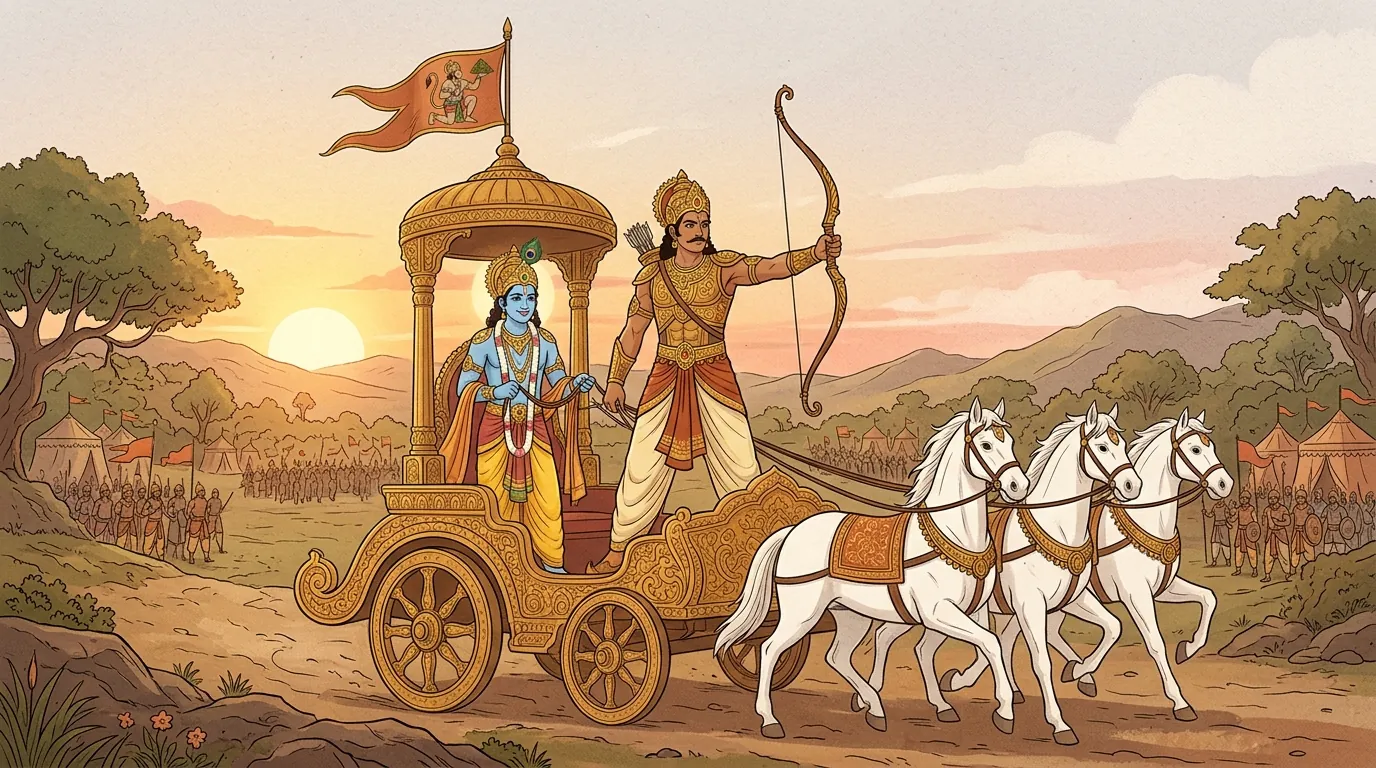
All versesसभी श्लोक
- 18.1 संन्यासस्य महाबाहो तत्त्वमिच्छामि वेदितुम्Krishna, I want to understand the true nature of renunciation and relinquishment. Please explain the real difference between these two concepts.कृष्ण, मैं संन्यास और त्याग का असली मतलब समझना चाहता हूँ। कृपया मुझे इन दोनों के बीच का सही अंतर अलग-अलग करके समझाइए।
- 18.2 काम्यानां कर्मणां न्यासं संन्यासं कवयो विदुःKrishna replied: The wise say that giving up actions driven by personal desire is true renunciation. On the other hand, experts define relinquishment as performing your work while abandoning any attachment to the results.कृष्ण ने कहा: ज्ञानी लोगों का मानना है कि अपनी इच्छाओं को पूरा करने वाले कामों को छोड़ देना ही 'संन्यास' है। वहीं, काम तो करना लेकिन उसके नतीजों से कोई लगाव न रखना 'त्याग' कहलाता है।
- 18.3 त्याज्यं दोषवदित्येके कर्म प्राहुर्मनीषिणःSome thinkers argue that all action is flawed and should be given up entirely. Others maintain that acts of charity, self-discipline, and sacrifice should never be abandoned.कुछ विचारकों का कहना है कि हर काम में कोई न कोई दोष होता है, इसलिए सारे काम छोड़ देने चाहिए। लेकिन कुछ अन्य मानते हैं कि यज्ञ, दान और तपस्या जैसे अच्छे काम कभी नहीं छोड़ने चाहिए।
- 18.4 निश्चयं श्रृणु मे तत्र त्यागे भरतसत्तमArjuna, listen to my final conclusion about relinquishment. This practice of letting go is actually divided into three different types.अर्जुन, अब त्याग के बारे में मेरा अंतिम फैसला सुनो। असल में, चीजों को छोड़ने या त्याग करने के तीन अलग-अलग तरीके बताए गए हैं।
- 18.5 यज्ञदानतपःकर्म न त्याज्यं कार्यमेव तत्Acts of sacrifice, charity, and self-discipline should never be given up, but must definitely be done. These practices actually purify even the wisest people.यज्ञ, दान और तपस्या जैसे काम कभी नहीं छोड़ने चाहिए, बल्कि इन्हें जरूर करना चाहिए। सच तो यह है कि ये काम बड़े-बड़े समझदार लोगों के मन को भी साफ और पवित्र कर देते हैं।
- 18.6 एतान्यपि तु कर्माणि सङ्गं त्यक्त्वा फलानि चHowever, even these noble activities must be done without any attachment or expectation of a reward. Arjuna, this is my ultimate and definitive view.अर्जुन, इन अच्छे कामों को भी बिना किसी लगाव और बिना किसी इनाम की उम्मीद के करना चाहिए। यही मेरी सबसे पक्की और आखिरी राय है।
- 18.7 नियतस्य तु संन्यासः कर्मणो नोपपद्यतेYou should never abandon your everyday responsibilities. Giving up your proper work out of confusion or delusion is considered living in the dark mode of ignorance.इंसान को अपनी रोजमर्रा की जिम्मेदारियां कभी नहीं छोड़नी चाहिए। अगर कोई अज्ञान या भ्रम में आकर अपना काम छोड़ देता है, तो ऐसे त्याग को तामसिक (अज्ञान से भरा) माना जाता है।
- 18.8 दुःखमित्येव यत्कर्म कायक्लेशभयात्त्यजेत्If someone abandons their work just because it is difficult or out of fear of physical discomfort, their letting go is driven by the restless mode of passion. A person who quits for these reasons never gains the true benefit of renunciation.अगर कोई सिर्फ इसलिए अपना काम छोड़ दे क्योंकि वह मुश्किल है या उसमें शारीरिक कष्ट होगा, तो यह राजसिक त्याग है। इस तरह काम से भागने वाले को त्याग का असली फायदा कभी नहीं मिलता।
- 18.9 कार्यमित्येव यत्कर्म नियतं क्रियतेऽर्जुनArjuna, true relinquishment happens when you do what needs to be done simply because it is right. When you perform your work while letting go of attachment and the desire for a reward, you are acting in the clear mode of goodness.अर्जुन, सच्चा त्याग तब होता है जब आप अपना काम सिर्फ इसलिए करते हैं क्योंकि वह करना सही है। जब आप बिना किसी लगाव और बिना किसी फल की इच्छा के अपना काम करते हैं, तो उसे सात्त्विक त्याग कहते हैं।
- 18.10 न द्वेष्ट्यकुशलं कर्म कुशले नानुषज्जतेA wise person grounded in goodness has no doubts about their work. They do not hate unpleasant tasks, nor do they cling to enjoyable ones.जो समझदार इंसान सात्त्विक गुण में टिका होता है, उसे अपने काम को लेकर कोई शक नहीं होता। वह न तो किसी मुश्किल या बुरे काम से नफरत करता है, और न ही किसी आसान और मजेदार काम से चिपकता है।
- 18.11 न हि देहभृता शक्यं त्यक्तुं कर्माण्यशेषतःIt is impossible for anyone in a physical body to stop acting entirely. Therefore, the person who simply gives up the desire for the results of their work is the one who has truly renounced.शरीर में रहते हुए किसी भी इंसान के लिए सारे काम पूरी तरह से छोड़ देना नामुमकिन है। इसलिए, जो इंसान अपने काम के नतीजों की इच्छा छोड़ देता है, असल में वही सच्चा त्यागी है।
- 18.12 अनिष्टमिष्टं मिश्रं च त्रिविधं कर्मणः फलम्For those who remain attached, the results of their actions—whether pleasant, unpleasant, or a mix of both—will follow them after death. But for those who have truly let go, there are no such lingering consequences anywhere.जो लोग अपने कामों से चिपके रहते हैं, उन्हें मरने के बाद अपने कामों के अच्छे, बुरे या मिले-जुले नतीजे भुगतने पड़ते हैं। लेकिन जो लोग सब कुछ छोड़ चुके हैं, उनके लिए ऐसे कोई नतीजे नहीं बचते।
- 18.13 पञ्चैतानि महाबाहो कारणानि निबोध मेArjuna, now learn from me the five factors required to accomplish any action. These are clearly laid out in the ancient philosophy of wisdom.अर्जुन, अब मुझसे उन पांच चीजों के बारे में सुनो जो किसी भी काम को पूरा करने के लिए जरूरी हैं। सांख्य दर्शन में इन्हें बहुत साफ तरीके से बताया गया है।
- 18.14 अधिष्ठानं तथा कर्ता करणं च पृथग्विधम्These five factors are the physical body, the individual ego or doer, the various senses, the different types of effort, and finally, the underlying divine will.ये पांच चीजें हैं: हमारा शरीर, काम करने वाला (कर्ता), हमारी अलग-अलग इंद्रियां, हमारी तरह-तरह की कोशिशें, और पांचवीं चीज है परमात्मा की इच्छा या भाग्य।
- 18.15 शरीरवाङ्मनोभिर्यत्कर्म प्रारभते नरःWhenever a person starts any action with their body, speech, or mind, these five elements are always the cause. This is true whether the action is right or wrong.इंसान अपने शरीर, बोली या मन से जो भी काम शुरू करता है, चाहे वह काम सही हो या गलत, उसके पीछे हमेशा यही पांच चीजें काम कर रही होती हैं।
- 18.16 तत्रैवं सति कर्तारमात्मानं केवलं तु यःBecause of this, anyone who thinks they are the sole creator of their actions has an untrained mind. Such a foolish person simply does not see reality as it is.ऐसा होने पर भी, जो इंसान अपनी नासमझी की वजह से खुद को ही हर काम करने वाला मानता है, वह बेवकूफ है। ऐसा इंसान असलियत को बिल्कुल नहीं देख पाता।
- 18.17 यस्य नाहंकृतो भावो बुद्धिर्यस्य न लिप्यतेA person who is free from the ego of being the doer, and whose mind is untangled, is not bound by their actions. Even if they were to slay others in battle, they do not truly kill, nor do they suffer the karmic weight of the act.जिस इंसान के अंदर 'मैं कर रहा हूँ' का अहंकार नहीं है और जिसकी बुद्धि किसी चीज में नहीं उलझती, वह अपने कामों से नहीं बंधता। ऐसा इंसान युद्ध में दूसरों को मारकर भी असल में किसी को नहीं मारता और न ही उसे इसका पाप लगता है।
- 18.18 ज्ञानं ज्ञेयं परिज्ञाता त्रिविधा कर्मचोदनाAction is motivated by three things: knowledge, the object being known, and the person who knows. The actual execution of action also has three parts: the senses, the work itself, and the doer.किसी भी काम को शुरू करने की प्रेरणा तीन चीजों से मिलती है: ज्ञान, जानने वाली चीज और जानने वाला इंसान। इसी तरह काम को पूरा करने के भी तीन हिस्से होते हैं: हमारी इंद्रियां, खुद वह काम और काम करने वाला।
- 18.19 ज्ञानं कर्म च कर्ता च त्रिधैव गुणभेदतःAccording to the science of nature's modes, knowledge, action, and the doer are each divided into three distinct types. Listen carefully as I explain these to you.प्रकृति के तीन गुणों के हिसाब से ज्ञान, काम और काम करने वाले को भी तीन-तीन अलग-अलग प्रकारों में बांटा गया है। अब तुम ध्यान से इनके बारे में सुनो।
- 18.20 सर्वभूतेषु येनैकं भावमव्ययमीक्षतेKnowledge is in the mode of goodness when it allows you to see a single, imperishable spiritual reality in all living beings. Through this lens, you see unity even within a world of endless variety.सात्त्विक ज्ञान वह है जिससे इंसान सभी जीवों में एक ही कभी न खत्म होने वाली सच्चाई को देखता है। इस ज्ञान से वह अलग-अलग दिखने वाले जीवों में भी एक ही आत्मा को महसूस करता है।
- 18.21 पृथक्त्वेन तु यज्ज्ञानं नानाभावान्पृथग्विधान्On the other hand, knowledge in the mode of passion sees every living being as fundamentally separate and different from one another. It focuses entirely on the divisions between things.राजसिक ज्ञान वह है जो हर जीव को एक-दूसरे से बिल्कुल अलग और बंटा हुआ मानता है। ऐसा ज्ञान सिर्फ चीजों के बीच के फर्क और दूरियों पर ही ध्यान देता है।
- 18.22 यत्तु कृत्स्नवदेकस्मिन्कार्ये सक्तमहैतुकम्Knowledge in the mode of ignorance clings blindly to a single idea or routine as if it were the whole truth. It is narrow, unreasonable, and completely misses the bigger picture.तामसिक (अज्ञान से भरा) ज्ञान वह है जो बिना किसी समझ के बस एक ही बात या काम से चिपक जाता है, मानो वही पूरी सच्चाई हो। यह बहुत छोटी सोच है जो कभी असली बात को नहीं समझ पाती।
- 18.23 नियतं सङ्गरहितमरागद्वेषतः कृतम्Action is in the mode of goodness when it is done simply because it is the right thing to do. It is performed without attachment, free from extreme likes or dislikes, and without craving a reward.सात्त्विक काम वह है जो सिर्फ इसलिए किया जाता है क्योंकि वह सही है। इसे बिना किसी लगाव, बिना किसी नफरत या पसंद के, और बिना किसी इनाम की चाहत के किया जाता है।
- 18.24 यत्तु कामेप्सुना कर्म साहङ्कारेण वा पुनःAction driven by the restless mode of passion is fueled by selfish desires and a strong sense of ego. It usually involves a great deal of stressful effort.राजसिक काम वह है जो अपनी इच्छाओं को पूरा करने के लिए और बड़े अहंकार के साथ किया जाता है। ऐसे काम में इंसान को बहुत ज्यादा तनाव और मेहनत करनी पड़ती है।
- 18.25 अनुबन्धं क्षयं हिंसामनपेक्ष्य च पौरुषम्Action in the mode of ignorance is undertaken blindly, without any thought for future consequences. It ignores the potential for loss, harm to others, or even one's own actual abilities.तामसिक काम वह है जो बिना सोचे-समझे और आंखें मूंदकर शुरू कर दिया जाता है। इसमें इंसान आगे होने वाले नुकसान, दूसरों की तकलीफ या अपनी खुद की हैसियत के बारे में बिल्कुल नहीं सोचता।
- 18.26 मुक्तसङ्गोऽनहंवादी धृत्युत्साहसमन्वितःA worker in the mode of goodness is free from ego and unhealthy attachments. They work with quiet enthusiasm and strong resolve, remaining steady whether they succeed or fail.सात्त्विक काम करने वाला इंसान वह है जिसमें कोई अहंकार या लगाव नहीं होता। वह पूरे उत्साह और पक्के इरादे से काम करता है, और चाहे उसे कामयाबी मिले या नाकामी, वह हमेशा शांत रहता है।
- 18.27 रागी कर्मफलप्रेप्सुर्लुब्धो हिंसात्मकोऽशुचिःA worker driven by passion is deeply attached to their work and desperate for the rewards. They tend to be greedy, aggressive, easily compromised, and constantly tossed around by joy and sorrow.राजसिक काम करने वाला इंसान अपने काम और उसके नतीजों से बहुत ज्यादा चिपका रहता है। वह लालची और आक्रामक होता है, और छोटी-छोटी बातों पर बहुत ज्यादा खुश या दुखी हो जाता है।
- 18.28 अयुक्तः प्राकृतः स्तब्धः शठो नैष्कृतिकोऽलसःA worker trapped in ignorance is undisciplined, stubborn, and often deceitful. They are typically lazy, prone to depression, and always putting things off.तामसिक काम करने वाला इंसान अनुशासनहीन, जिद्दी और धोखेबाज होता है। वह अक्सर आलसी होता है, हमेशा उदास रहता है और हर काम को कल पर टालने की आदत रखता है।
- 18.29 बुद्धेर्भेदं धृतेश्चैव गुणतस्त्रिविधं श्रृणुArjuna, now listen as I explain the three different types of human intellect and determination. I will break these down completely according to the three modes of nature.अर्जुन, अब मैं तुम्हें इंसान की बुद्धि और उसके पक्के इरादे (संकल्प) के तीन अलग-अलग प्रकारों के बारे में बताऊंगा। प्रकृति के तीन गुणों के आधार पर मैं इन्हें पूरी तरह से समझाऊंगा, ध्यान से सुनो।
- 18.30 प्रवृत्तिं च निवृत्तिं च कार्याकार्ये भयाभयेAn intellect in the mode of goodness clearly understands what should be done and what should be avoided. It knows what to fear, what is safe, what keeps us trapped, and what truly sets us free.अर्जुन, सात्त्विक बुद्धि वह है जो साफ-साफ जानती है कि क्या करना चाहिए और क्या नहीं। उसे पता होता है कि किससे डरना है, क्या सुरक्षित है, क्या हमें फंसाता है और क्या हमें सच में आजाद करता है।
- 18.31 यया धर्ममधर्मं च कार्यं चाकार्यमेव चAn intellect clouded by passion struggles to tell the difference between right and wrong. It is constantly confused about what actions are actually appropriate.अर्जुन, राजसिक बुद्धि सही और गलत के बीच फर्क करने में हमेशा उलझी रहती है। उसे यह समझ ही नहीं आता कि कौन सा काम करना ठीक है और कौन सा नहीं।
- 18.32 अधर्मं धर्ममिति या मन्यते तमसाऽऽवृताAn intellect trapped in the darkness of ignorance gets everything completely backward. It imagines wrong to be right and views the entire world through a distorted lens.अर्जुन, अज्ञान के अंधेरे में डूबी हुई तामसिक बुद्धि हर चीज को बिल्कुल उल्टा समझती है। वह गलत को सही मान बैठती है और पूरी दुनिया को एक गलत नजरिए से देखती है।
- 18.33 धृत्या यया धारयते मनःप्राणेन्द्रियक्रियाःDetermination in the mode of goodness is steady and unwavering. Through focused practice, it allows a person to perfectly guide their mind, energy, and senses.अर्जुन, सात्त्विक संकल्प (इरादा) बहुत पक्का और न डगमगाने वाला होता है। इसी के सहारे इंसान अपने मन, अपनी ऊर्जा और अपनी इंद्रियों को सही रास्ते पर चला पाता है।
- 18.34 यया तु धर्मकामार्थान् धृत्या धारयतेऽर्जुनDetermination driven by passion clings tightly to duty, pleasure, and wealth. A person with this mindset is always looking for a personal payoff from their efforts.अर्जुन, राजसिक संकल्प वह है जिसमें इंसान सिर्फ अपने फायदे, सुख और पैसे से चिपका रहता है। ऐसी सोच वाला इंसान हमेशा अपने हर काम के बदले में कुछ न कुछ पाने की उम्मीद रखता है।
- 18.35 यया स्वप्नं भयं शोकं विषादं मदमेव चDetermination in the mode of ignorance is stubborn and destructive. It is the mindset of a foolish person who simply refuses to let go of excessive sleep, fear, grief, and arrogance.अर्जुन, तामसिक संकल्प बहुत जिद्दी और नुकसानदायक होता है। यह एक ऐसे बेवकूफ इंसान की सोच है जो अपनी ज्यादा नींद, डर, दुख और घमंड को किसी भी कीमत पर छोड़ना नहीं चाहता।
- 18.36 सुखं त्विदानीं त्रिविधं श्रृणु मे भरतर्षभArjuna, now hear about the three different kinds of happiness. True happiness is something you learn to enjoy through steady practice, eventually bringing an end to all your sorrow.अर्जुन, अब मुझसे तीन तरह की खुशियों (सुख) के बारे में सुनो। सच्ची खुशी वह है जिसे इंसान लगातार अभ्यास से महसूस करना सीखता है, और जो आखिरकार उसके सारे दुखों को खत्म कर देती है।
- 18.37 यत्तदग्रे विषमिव परिणामेऽमृतोपमम्Happiness in the mode of goodness often feels like poison at first, but it tastes like nectar in the end. It is born from the deep peace and clarity of self-realization.सात्त्विक सुख वह है जो शुरुआत में जहर जैसा कड़वा लगता है, लेकिन बाद में अमृत जैसा मीठा हो जाता है। यह सुख मन की गहरी शांति और खुद को सही मायने में पहचानने से मिलता है।
- 18.38 विषयेन्द्रियसंयोगाद्यत्तदग्रेऽमृतोपमम्Happiness driven by passion comes from the senses connecting with the things they crave. It tastes like sweet nectar at first, but ultimately turns into poison.राजसिक सुख तब मिलता है जब हमारी इंद्रियां अपनी मनपसंद चीजों में डूब जाती हैं। यह सुख शुरू में तो अमृत जैसा मीठा लगता है, लेकिन बाद में जहर बन जाता है।
- 18.39 यदग्रे चानुबन्धे च सुखं मोहनमात्मनःHappiness in the mode of ignorance is an illusion from beginning to end. It arises from laziness, negligence, and excessive sleep, keeping the soul completely in the dark.तामसिक सुख शुरू से लेकर अंत तक सिर्फ एक धोखा है। यह सुख आलस, लापरवाही और बहुत ज्यादा नींद से पैदा होता है, जो इंसान को पूरी तरह से अंधेरे में रखता है।
- 18.40 न तदस्ति पृथिव्यां वा दिवि देवेषु वा पुनःThere is absolutely no one on earth, nor even among the gods in heaven, who is free from these three modes of material nature. Everything in the universe is influenced by them.इस धरती पर या स्वर्ग में देवताओं के बीच भी ऐसा कोई नहीं है जो प्रकृति के इन तीन गुणों (सात्त्विक, राजसिक, तामसिक) से बचा हो। दुनिया की हर चीज पर इनका असर होता है।
- 18.41 ब्राह्मणक्षत्रियविशां शूद्राणां च परंतपArjuna, the work of the intellectuals, leaders, merchants, and laborers is divided based on the qualities born of their own inherent nature.अर्जुन, ब्राह्मण, क्षत्रिय, वैश्य और शूद्र के काम उनके अपने स्वभाव और गुणों के आधार पर बांटे गए हैं।
- 18.42 शमो दमस्तपः शौचं क्षान्तिरार्जवमेव चThe natural work for intellectuals and spiritual guides includes peacefulness, self-control, discipline, purity, patience, and honesty. They are also naturally inclined toward knowledge, practical wisdom, and deep faith.मन की शांति, खुद पर काबू रखना, तप, साफ-सफाई, धैर्य और ईमानदारी ब्राह्मणों का स्वाभाविक काम है। इसके अलावा ज्ञान, समझ और ईश्वर में गहरा विश्वास भी उनके स्वभाव का हिस्सा है।
- 18.43 शौर्यं तेजो धृतिर्दाक्ष्यं युद्धे चाप्यपलायनम्For leaders and protectors, natural work involves courage, vigor, determination, and resourcefulness. They stand their ground in a crisis, give generously, and lead with natural authority.बहादुरी, तेज, पक्का इरादा, हर हाल में रास्ता निकालना और मुश्किलों से कभी पीछे न हटना क्षत्रियों का स्वाभाविक काम है। खुलकर दान देना और एक अच्छे लीडर की तरह काम करना भी उनके स्वभाव में होता है।
- 18.44 कृषिगौरक्ष्यवाणिज्यं वैश्यकर्म स्वभावजम्The natural work for merchants and farmers centers on agriculture, caring for livestock, and trade. For laborers, their natural contribution lies in service and supporting others.खेती करना, गायों की देखभाल और व्यापार करना वैश्यों का स्वाभाविक काम है। वहीं, मेहनत-मजदूरी करना और दूसरों की सेवा करके मदद करना शूद्रों का स्वाभाविक काम है।
- 18.45 स्वे स्वे कर्मण्यभिरतः संसिद्धिं लभते नरःA person finds true perfection by dedicating themselves to their own natural work. Listen to how you can achieve this ultimate success simply by doing what you are naturally suited to do.इंसान अपने स्वभाव के अनुसार मिले काम को पूरी लगन से करके ही सच्ची सफलता पा सकता है। अब सुनो कि अपना काम करते हुए तुम यह सफलता कैसे हासिल कर सकते हो।
- 18.46 यतः प्रवृत्तिर्भूतानां येन सर्वमिदं ततम्You can achieve perfection by doing your own natural work as an act of worship to the Divine. It is from this Supreme source that all beings arise, and by this same presence that the entire universe is woven together.जिस ईश्वर से यह पूरी दुनिया बनी है और जो कण-कण में बसा है, अपना काम ईमानदारी से करना ही उसकी सच्ची पूजा है। इसी तरह अपना काम करते हुए इंसान जीवन में पूर्णता पा लेता है।
- 18.47 श्रेयान्स्वधर्मो विगुणः परधर्मात्स्वनुष्ठितात्It is better to do your own work imperfectly than to flawlessly execute someone else's path. When you act in harmony with your own inherent nature, you do not incur any negative karma.किसी और के काम की अच्छी तरह नकल करने से बेहतर है कि इंसान अपना खुद का काम करे, भले ही उसमें कुछ कमियां रह जाएं। अपने स्वभाव के हिसाब से काम करने पर इंसान को कोई दोष नहीं लगता।
- 18.48 सहजं कर्म कौन्तेय सदोषमपि न त्यजेत्Arjuna, you should never abandon the work born of your nature, even if it seems flawed. Every human endeavor is clouded by some imperfection, just as fire is always wrapped in smoke.अर्जुन, अपने स्वभाव से मिले काम को कभी नहीं छोड़ना चाहिए, फिर चाहे उसमें कोई बुराई ही क्यों न दिखे। दुनिया के हर काम में कोई न कोई कमी जरूर होती है, ठीक वैसे ही जैसे आग हमेशा धुएं से घिरी रहती है।
- 18.49 असक्तबुद्धिः सर्वत्र जितात्मा विगतस्पृहःWhen your intellect is unattached, your mind is mastered, and your personal desires are gone, you reach the highest state of freedom. Through this inner letting go, you achieve a perfect state beyond the binding effects of action.जिसकी किसी भी चीज़ में कोई आसक्ति नहीं है, जिसने अपने मन को काबू में कर लिया है और जिसकी सारी इच्छाएं खत्म हो गई हैं, वह इंसान सच्चा संन्यासी है। ऐसा व्यक्ति काम करते हुए भी उसके बंधनों से पूरी तरह आज़ाद रहता है।
- 18.50 सिद्धिं प्राप्तो यथा ब्रह्म तथाप्नोति निबोध मेArjuna, let me briefly explain how someone who has reached this freedom goes on to realize the ultimate reality, Brahman. This realization is the absolute pinnacle of spiritual knowledge.अर्जुन, अब मैं तुम्हें संक्षेप में बताता हूँ कि यह आज़ादी पाने के बाद इंसान कैसे उस परम सत्य यानी ब्रह्म को जान लेता है। यही ज्ञान की सबसे ऊंची मंज़िल है।
- 18.51 बुद्ध्या विशुद्धया युक्तो धृत्याऽऽत्मानं नियम्य चTo reach this state, you must purify your intelligence and firmly control your mind. You step away from the pull of sensory objects like sound and touch, letting go of both attachment and aversion.इस अवस्था तक पहुँचने के लिए अपनी बुद्धि को साफ रखना और मन को मजबूती से काबू में करना होता है। इंसान को बाहरी दिखावे और सुख-सुविधाओं से दूर होकर अपनी पसंद-नापसंद दोनों को छोड़ना पड़ता है।
- 18.52 विविक्तसेवी लघ्वाशी यतवाक्कायमानसःYou live in a quiet place, eat lightly, and bring your body, speech, and mind into harmony. By constantly engaging in meditation and embracing a spirit of detachment, you steady your inner life.वह एकांत में रहता है, बहुत सादा और कम खाता है, और अपने शरीर, बोली और मन पर पूरा नियंत्रण रखता है। वह हमेशा ध्यान में मगन रहता है और दुनियादारी से खुद को अलग कर लेता है।
- 18.53 अहङ्कारं बलं दर्पं कामं क्रोधं परिग्रहम्You let go of ego, the use of force, arrogance, desire, anger, and the urge to hoard. Freed from the sense of 'mine' and deeply peaceful, you become ready to experience the ultimate reality.वह अपने अहंकार, ताकत के घमंड, इच्छाओं, गुस्से और चीज़ें बटोरने की आदत को पूरी तरह छोड़ देता है। जब उसके मन से 'मेरा-तेरा' का भाव मिट जाता है और गहरी शांति आ जाती है, तब वह उस परम सत्य को महसूस करने के लायक बन जाता है।
- 18.54 ब्रह्मभूतः प्रसन्नात्मा न शोचति न काङ्क्षतिGrounded in this ultimate reality, you become completely joyful, free from grief and craving. Seeing all living beings with an equal eye, you develop the highest, most profound love for Me.उस परम सत्य से जुड़कर इंसान हमेशा खुश रहने लगता है, फिर न तो उसे कोई दुख सताता है और न ही कोई लालच रहता है। वह सभी जीवों को एक समान नज़रों से देखता है और मेरे लिए उसके मन में सबसे गहरा प्रेम जाग जाता है।
- 18.55 भक्त्या मामभिजानाति यावान्यश्चास्मि तत्त्वतःThrough this deep devotion, you come to understand My true essence and exactly who I am. Once you know Me in truth, you immediately merge into My being.इसी गहरे प्रेम और भक्ति से इंसान मुझे सच में समझ पाता है कि मैं असल में कौन हूँ। जब वह मेरी सच्चाई को जान लेता है, तो वह पूरी तरह से मुझमें ही समा जाता है।
- 18.56 सर्वकर्माण्यपि सदा कुर्वाणो मद्व्यपाश्रयःEven while staying fully engaged in all kinds of everyday actions, you can take shelter in Me. By My grace, you will reach the eternal and imperishable state of peace.अपने रोज़मर्रा के सारे काम करते हुए भी अगर कोई इंसान पूरी तरह मुझ पर भरोसा रखता है, तो मेरी कृपा से वह हमेशा बनी रहने वाली परम शांति को पा लेता है।
- 18.57 चेतसा सर्वकर्माणि मयि संन्यस्य मत्परःConsciously dedicate everything you do to Me, making Me your ultimate goal. Using the yoga of clear intelligence, keep your awareness constantly anchored in Me.तुम जो भी काम करो, उसे पूरे मन से मुझे सौंप दो और मुझे ही अपनी मंज़िल मानो। अपनी समझ का सही इस्तेमाल करते हुए अपना ध्यान हमेशा मुझ पर ही लगाए रखो।
- 18.58 मच्चित्तः सर्वदुर्गाणि मत्प्रसादात्तरिष्यसिIf you keep your mind focused on Me, My grace will help you cross over every obstacle in your path. But if you let ego take over and refuse to listen, you will lose your way entirely.अगर तुम अपना ध्यान मुझ पर रखोगे, तो मेरी कृपा से हर मुश्किल को आसानी से पार कर लोगे। लेकिन अगर तुमने अहंकार में आकर मेरी बात नहीं मानी, तो तुम पूरी तरह भटक जाओगे।
- 18.59 यदहङ्कारमाश्रित्य न योत्स्य इति मन्यसेIf ego makes you think you can simply refuse to fight, your decision will be an illusion. Your own inherent nature will eventually force you into action anyway.अगर तुम अहंकार में आकर यह सोच रहे हो कि तुम युद्ध नहीं करोगे, तो यह तुम्हारा भ्रम है। तुम्हारा क्षत्रिय स्वभाव तुम्हें लड़ने के लिए मजबूर कर ही देगा।
- 18.60 स्वभावजेन कौन्तेय निबद्धः स्वेन कर्मणाArjuna, you are bound by the natural tendencies born of your own past choices. Even if delusion makes you want to avoid your work, you will helplessly end up doing it.अर्जुन, तुम अपने ही स्वभाव और पुरानी आदतों से बंधे हुए हो। अभी तुम जिस काम से भागना चाह रहे हो, आगे चलकर मजबूरी में तुम्हें वही काम करना पड़ेगा।
- 18.61 ईश्वरः सर्वभूतानां हृद्देशेऽर्जुन तिष्ठतिThe Divine rests in the heart of every living being, Arjuna. Through the power of illusion, this presence keeps all creatures spinning in the world, as if they are riding on a great machine.अर्जुन, ईश्वर हर जीव के दिल में बसता है। वह अपनी माया से सभी प्राणियों को इस दुनिया में ऐसे नचा रहा है, जैसे वे किसी मशीन पर कठपुतलियों की तरह बैठे हों।
- 18.62 तमेव शरणं गच्छ सर्वभावेन भारतSeek shelter in that Divine presence with your entire being, Arjuna. By that grace, you will find the deepest peace and a lasting, eternal home.अर्जुन, तुम पूरे मन से बस उसी ईश्वर पर भरोसा रखो। उसी की कृपा से तुम्हें सबसे गहरी शांति और हमेशा के लिए एक सच्चा घर मिल जाएगा।
- 18.63 इति ते ज्ञानमाख्यातं गुह्याद्गुह्यतरं मयाI have now shared with you a wisdom that is deeper than any secret. Reflect on it completely, and then choose your own path and do as you wish.मैंने तुम्हें वह ज्ञान दे दिया है जो दुनिया के हर राज़ से भी गहरा है। अब तुम इस पर अच्छी तरह सोच-विचार करो और फिर तुम्हें जो सही लगे, वही करो।
- 18.64 सर्वगुह्यतमं भूयः श्रृणु मे परमं वचःListen one more time to My highest teaching, the most profound mystery of all. I am telling you this for your own good, simply because you are so deeply loved by Me.अब मेरी सबसे बड़ी और गहरी बात एक बार फिर से सुनो। तुम मुझे बहुत प्यारे हो, इसलिए मैं सिर्फ तुम्हारी भलाई के लिए यह बात बता रहा हूँ।
- 18.65 मन्मना भव मद्भक्तो मद्याजी मां नमस्कुरुFill your mind with Me, love Me, worship Me, and bow to Me. I promise you truly that by doing this, you will come to Me, for you are incredibly dear to My heart.अपना मन मुझमें लगाओ, मुझसे प्यार करो, मेरी पूजा करो और मेरे आगे झुको। मैं तुम्हें सच में यह वचन देता हूँ कि ऐसा करने से तुम मुझे ही पाओगे, क्योंकि तुम मेरे बहुत करीब हो।
- 18.66 सर्वधर्मान्परित्यज्य मामेकं शरणं व्रजLet go of all your conflicting ideas about duty and religion, and simply take refuge in Me alone. I will free you from all your past mistakes and burdens, so do not be afraid.सही-गलत और धर्म-कर्म की सारी उलझनों को छोड़ दो और बस मुझ पर पूरा भरोसा रखो। मैं तुम्हें तुम्हारी सारी गलतियों और पापों से आज़ाद कर दूँगा, तुम बिल्कुल मत डरो।
- 18.67 इदं ते नातपस्काय नाभक्ताय कदाचनYou should not share this deep wisdom with anyone who lacks discipline or devotion. It is not meant for someone who refuses to listen or who harbors bitterness toward Me.यह गहरी बात कभी भी ऐसे इंसान को मत बताना जिसमें अनुशासन न हो या जिसके मन में प्रेम न हो। जो सुनना ही न चाहता हो या जो मुझसे चिढ़ता हो, उसे भी यह ज्ञान नहीं देना चाहिए।
- 18.68 य इमं परमं गुह्यं मद्भक्तेष्वभिधास्यतिAnyone who shares this ultimate secret with those who love Me performs an act of the highest devotion. Without a doubt, that person will eventually come to Me.जो कोई भी इस सबसे बड़े राज़ को मेरे भक्तों के साथ बांटता है, वह मेरी सबसे सच्ची भक्ति करता है। ऐसा इंसान बिना किसी शक के अंत में मुझे ही पा लेता है।
- 18.69 न च तस्मान्मनुष्येषु कश्िचन्मे प्रियकृत्तमःIn this entire world, no human being does a service more pleasing to Me than one who shares this wisdom. Truly, no one on earth will ever be dearer to Me.इस पूरी दुनिया में ऐसा कोई इंसान नहीं है, जो इस ज्ञान को बांटने वाले से ज़्यादा मुझे खुश कर सके। सच कहूँ तो, धरती पर मुझे उससे ज़्यादा प्यारा और कोई नहीं होगा।
- 18.70 अध्येष्यते च य इमं धर्म्यं संवादमावयोःI consider anyone who studies this sacred conversation of ours to be worshipping Me directly. They honor Me through the beautiful offering of their own pursuit of knowledge.जो कोई भी हम दोनों की इस पवित्र बातचीत को पढ़ेगा या समझेगा, मैं मानूंगा कि वह अपने ज्ञान के ज़रिए सीधे मेरी ही पूजा कर रहा है।
- 18.71 श्रद्धावाननसूयश्च श्रृणुयादपि यो नरःEven someone who simply listens to these words with an open, trusting heart and without envy will be freed from negativity. They will reach the bright, joyful realms meant for those who do good in the world.जो इंसान बिना किसी जलन के और खुले मन से सिर्फ इन बातों को सुन भी लेगा, वह भी सारी बुराइयों से आज़ाद हो जाएगा। उसे भी अच्छे काम करने वालों की तरह एक खुशहाल और सुंदर दुनिया मिलेगी।
- 18.72 कच्चिदेतच्छ्रुतं पार्थ त्वयैकाग्रेण चेतसाArjuna, have you listened to all of this with a focused mind? Has the confusion and delusion born of your ignorance finally been cleared away?अर्जुन, क्या तुमने मेरी इन सारी बातों को पूरे ध्यान से सुना है? क्या तुम्हारी नासमझी से पैदा हुई सारी उलझनें अब दूर हो गई हैं?
- 18.73 अर्जुन उवाचनष्टो मोहः स्मृतिर्लब्धा त्वत्प्रसादान्मयाच्युतArjuna replied: My confusion is completely gone, and through Your grace, I have remembered who I truly am. I stand here firm and free of all doubt, ready to act exactly as You say.अर्जुन ने कहा: कृष्ण, आपकी कृपा से मेरी सारी उलझनें खत्म हो गई हैं और मुझे अपनी असलियत याद आ गई है। अब मेरे मन में कोई शक नहीं है, और आप जैसा कहेंगे, मैं बिल्कुल वैसा ही करूँगा।
- 18.74 सञ्जय उवाचइत्यहं वासुदेवस्य पार्थस्य च महात्मनःSanjaya said: I have been listening to this breathtaking conversation between Krishna and the great soul, Arjuna. The sheer wonder of it makes my hair stand on end.संजय ने कहा: मैंने कृष्ण और महान अर्जुन के बीच हुई इस हैरान कर देने वाली बातचीत को सुना है। यह इतनी अद्भुत थी कि इसे सुनकर मेरे रोंगटे खड़े हो रहे हैं।
- 18.75 व्यासप्रसादाच्छ्रुतवानेतद्गुह्यमहं परम्By the grace of my teacher Vyasa, I was able to hear this ultimate, hidden wisdom of yoga. I heard it directly from Krishna, the master of yoga, as He spoke it Himself.अपने गुरु व्यास जी की कृपा से ही मैं योग के इस सबसे गहरे राज़ को सुन पाया हूँ। मैंने इसे सीधे योग के स्वामी कृष्ण के मुँह से सुना है, जब वे खुद इसे बता रहे थे।
- 18.76 राजन्संस्मृत्य संस्मृत्य संवादमिममद्भुतम्O King, every time I recall this wondrous and sacred dialogue between Krishna and Arjuna, my heart fills with joy. I am thrilled by it again and again.हे राजा! कृष्ण और अर्जुन के बीच हुई इस पवित्र और अनोखी बातचीत को मैं जितनी बार याद करता हूँ, मेरा मन खुशी से भर जाता है। मैं इसे सोच-सोचकर बार-बार रोमांचित हो रहा हूँ।
- 18.77 तच्च संस्मृत्य संस्मृत्य रूपमत्यद्भुतं हरेःAnd when I remember that astonishing, cosmic vision of Krishna, my wonder only deepens. O King, I cannot help but rejoice over and over.और जब मैं कृष्ण के उस विशाल और अद्भुत रूप को याद करता हूँ, तो मेरी हैरानी और भी बढ़ जाती है। हे राजा, मैं उस रूप को सोचकर बार-बार खुशी से झूम उठता हूँ।
- 18.78 यत्र योगेश्वरः कृष्णो यत्र पार्थो धनुर्धरःWherever you find Krishna, the master of yoga, and Arjuna, the supreme archer, you will inevitably find prosperity, victory, extraordinary power, and justice. Of this, I am absolutely certain.जहाँ योग के स्वामी कृष्ण हैं और जहाँ महान धनुर्धर अर्जुन हैं, वहीं पर हमेशा सुख-समृद्धि, जीत, ताकत और न्याय होता है। इस बात का मुझे पूरा यकीन है।