
Gita Chapter 13
Chapter 13 · 35 verses
Yoga through Distinguishing the Field and the Knower of the Field
क्षेत्र-क्षेत्रज्ञविभागयोग · Kṣhetra Kṣhetrajña Vibhāg Yog
In Chapter 13 of the Bhagavad Gita, Krishna explains the profound difference between the physical body, known as the field, and the eternal soul, the knower of the field. He reveals that true wisdom lies in understanding this distinction and recognizing the Supreme Lord as the ultimate knower residing in all hearts. Krishna outlines the virtues essential for spiritual growth, such as humility, non-violence, and devotion. He clarifies that while the material body undergoes constant changes and actions, the pure soul remains an untouched witness. By realizing that the eternal soul is completely separate from material nature and seeing the Supreme Lord equally in all beings, a person overcomes ignorance and attains ultimate liberation from the cycle of birth and death.
भगवद गीता के 13वें अध्याय में, कृष्ण भौतिक शरीर (क्षेत्र) और शाश्वत आत्मा (क्षेत्रज्ञ) के बीच के गहरे अंतर को समझाते हैं। वह बताते हैं कि सच्चा ज्ञान इस अंतर को समझने और परमेश्वर को सभी के हृदय में निवास करने वाले सर्वोच्च ज्ञाता के रूप में पहचानने में है। कृष्ण आध्यात्मिक विकास के लिए आवश्यक गुणों की रूपरेखा देते हैं, जैसे विनम्रता, अहिंसा और भक्ति। वह स्पष्ट करते हैं कि जबकि भौतिक शरीर निरंतर परिवर्तनों और कर्मों से गुजरता है, शुद्ध आत्मा एक अछूता साक्षी बनी रहती है। यह महसूस करके कि शाश्वत आत्मा भौतिक प्रकृति से पूरी तरह अलग है और सभी प्राणियों में परमेश्वर को समान रूप से देखकर, एक व्यक्ति अज्ञानता को दूर करता है और जन्म और मृत्यु के चक्र से अंतिम मुक्ति प्राप्त करता है।
Start reading verse 1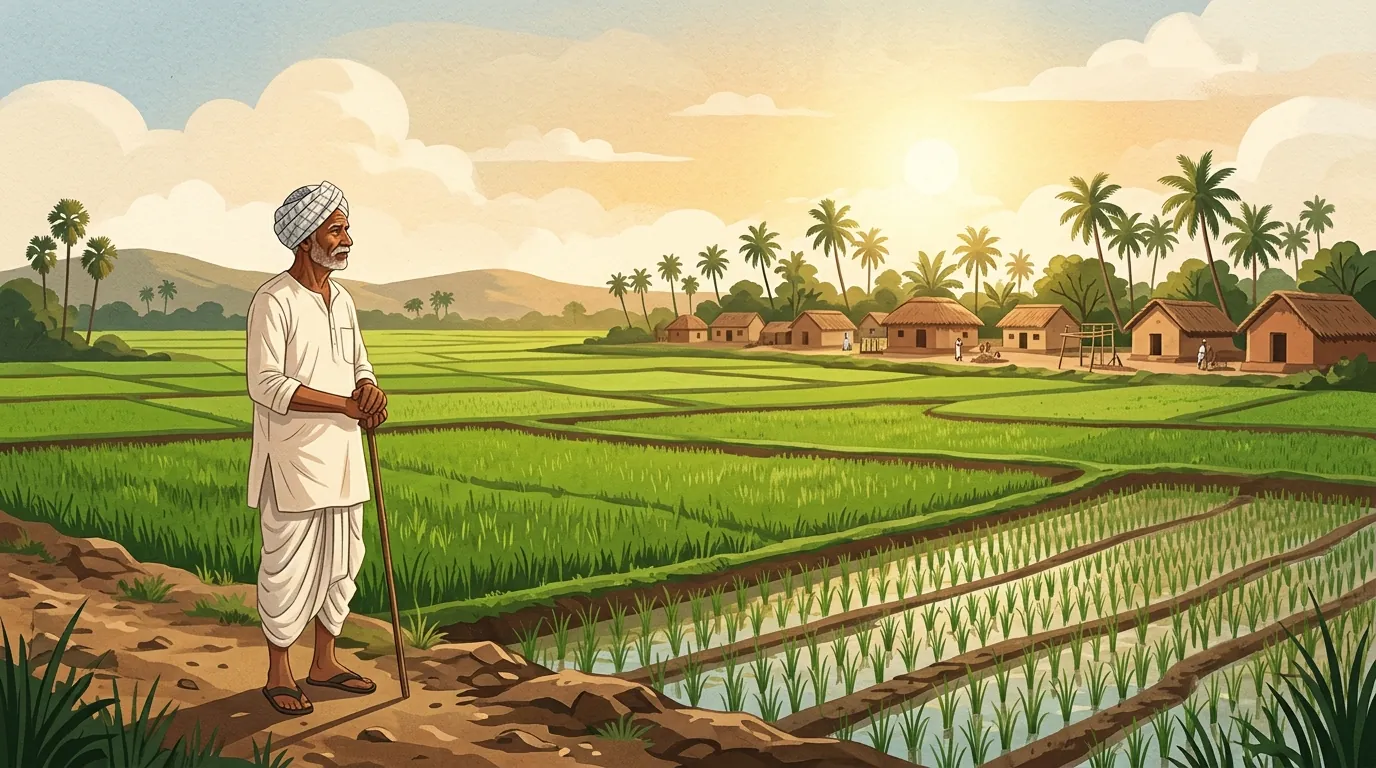
All versesसभी श्लोक
- 13.1 प्रकृतिं पुरुषं चैव क्षेत्रं क्षेत्रज्ञमेव चArjuna said: Krishna, I want to learn about nature and the spirit, the field of action and the one who knows this field. I also want to understand what true knowledge is, and what is meant to be known.कृष्ण, मैं प्रकृति और पुरुष, तथा क्षेत्र और क्षेत्रज्ञ के बारे में जानना चाहता हूँ। इसके अलावा, मैं यह भी समझना चाहता हूँ कि सच्चा ज्ञान क्या है और जानने योग्य क्या है।
- 13.2 श्री भगवानुवाचइदं शरीरं कौन्तेय क्षेत्रमित्यभिधीयतेKrishna said: Arjuna, this physical body is known as the 'field'. Those who truly understand this call the conscious awareness that experiences the body the 'knower of the field'.अर्जुन, इस शरीर को 'क्षेत्र' कहा जाता है। जो इस शरीर को जानता और अनुभव करता है, उसे ज्ञानी लोग 'क्षेत्रज्ञ' कहते हैं।
- 13.3 क्षेत्रज्ञं चापि मां विद्धि सर्वक्षेत्रेषु भारतArjuna, you should know that I am the ultimate knower present in all fields, or bodies. In my view, true wisdom means fully understanding both this field of matter and the conscious spirit that knows it.अर्जुन, तुम्हें यह जानना चाहिए कि सभी शरीरों में मैं ही जानने वाला (क्षेत्रज्ञ) हूँ। मेरी नज़र में, इस क्षेत्र और क्षेत्रज्ञ को सही ढंग से समझना ही सच्चा ज्ञान है।
- 13.4 तत्क्षेत्रं यच्च यादृक् च यद्विकारि यतश्च यत्Now listen briefly as I explain what this field of matter is, what it is made of, how it changes, and where it comes from. I will also explain who the conscious knower is and the extent of their power.अब मुझसे संक्षेप में सुनो कि यह क्षेत्र क्या है, यह किससे बना है, इसमें क्या बदलाव आते हैं और यह कहाँ से पैदा होता है। साथ ही यह भी सुनो कि वह क्षेत्रज्ञ कौन है और उसकी शक्ति क्या है।
- 13.5 ऋषिभिर्बहुधा गीतं छन्दोभिर्विविधैः पृथक्Sages have sung about this truth in many different ways through various sacred hymns. It has also been laid out with clear, logical reasoning in the definitive verses of the Brahma Sutras.ऋषियों ने इस सच्चाई को कई अलग-अलग मंत्रों के ज़रिए गाया है। ब्रह्मसूत्र में भी इसे बहुत ही स्पष्ट और तार्किक रूप से समझाया गया है।
- 13.6 महाभूतान्यहङ्कारो बुद्धिरव्यक्तमेव चThe field of matter is made up of the five basic physical elements, the ego, the intellect, and the unmanifested source of nature. It also includes the mind, the ten senses of perception and action, and the five objects that the senses perceive.यह क्षेत्र पाँच मूल तत्वों, अहंकार, बुद्धि और प्रकृति के अव्यक्त रूप से बना है। इसमें मन, दस इंद्रियाँ और इंद्रियों के पाँच विषय भी शामिल हैं।
- 13.7 इच्छा द्वेषः सुखं दुःखं सङ्घातश्चेतनाधृतिःDesire, hatred, happiness, pain, the physical body, consciousness, and willpower are also part of it. Together, these briefly make up the field of matter and its constant changes.इच्छा, नफरत, सुख, दुख, यह भौतिक शरीर, चेतना और इच्छाशक्ति भी इसी का हिस्सा हैं। संक्षेप में, इन सभी और इनमें होने वाले बदलावों को मिलाकर ही 'क्षेत्र' कहा जाता है।
- 13.8 अमानित्वमदम्भित्वमहिंसा क्षान्तिरार्जवम्True knowledge is characterized by humility, modesty, non-violence, patience, and honesty. It involves serving a spiritual teacher, maintaining purity, being steady in one's practice, and mastering the mind.विनम्रता, दिखावा न करना, अहिंसा, धैर्य और ईमानदारी सच्चे ज्ञान की पहचान हैं। इसके अलावा गुरु की सेवा करना, भीतर-बाहर से पवित्र रहना, अपने अभ्यास में स्थिर रहना और मन पर काबू पाना भी ज्ञान है।
- 13.9 इन्द्रियार्थेषु वैराग्यमनहङ्कार एव चIt also means letting go of attachment to sense objects, dropping the ego, and deeply reflecting on the inevitable hardships of birth, death, old age, and disease.इंद्रियों के सुखों से दूर रहना, अहंकार छोड़ना और जन्म, मृत्यु, बुढ़ापे तथा बीमारी के दुखों पर गहराई से विचार करना भी इसी ज्ञान का हिस्सा है।
- 13.10 असक्ितरनभिष्वङ्गः पुत्रदारगृहादिषुA person with true knowledge remains unattached and does not cling obsessively to their family, home, or possessions. They maintain a steady, balanced mind whether things go well or poorly.सच्चे ज्ञान वाला व्यक्ति परिवार, घर या संपत्ति से बहुत ज़्यादा मोह नहीं रखता। चाहे हालात अच्छे हों या बुरे, वह हमेशा अपना मानसिक संतुलन बनाए रखता है।
- 13.11 मयि चानन्ययोगेन भक्ितरव्यभिचारिणीThey possess an unwavering, exclusive devotion to me. They naturally prefer quiet, solitary places and feel no need to lose themselves in worldly crowds.ऐसे व्यक्ति के मन में मेरे प्रति अटूट और अनन्य भक्ति होती है। उसे शांत और एकांत जगहों पर रहना पसंद होता है और दुनियादारी की भीड़-भाड़ में उसकी कोई दिलचस्पी नहीं होती।
- 13.12 अध्यात्मज्ञाननित्यत्वं तत्त्वज्ञानार्थदर्शनम्Finally, it means staying grounded in spiritual awareness and keeping the ultimate truth in sight. All of these qualities together make up true knowledge, and anything contrary to this is simply ignorance.आध्यात्मिक ज्ञान में हमेशा टिके रहना और परम सत्य को अपना लक्ष्य मानना ही सच्चा ज्ञान है। इन सभी गुणों को मैं ज्ञान कहता हूँ, और जो कुछ भी इसके उलट है, वह सिर्फ अज्ञान है।
- 13.13 ज्ञेयं यत्तत्प्रवक्ष्यामि यज्ज्ञात्वाऽमृतमश्नुतेNow I will explain the ultimate object of knowledge, which brings immortality to those who understand it. This is the supreme, beginningless reality, which exists beyond our ordinary concepts of what is and what is not.अब मैं तुम्हें उस परम सत्य के बारे में बताऊँगा जिसे जानने के बाद इंसान अमरता पा लेता है। वह अनादि परब्रह्म है, जो हमारे 'होने' या 'न होने' की साधारण समझ से बहुत परे है।
- 13.14 सर्वतः पाणिपादं तत्सर्वतोऽक्षिशिरोमुखम्This supreme reality has hands, feet, eyes, heads, faces, and ears everywhere. It exists by completely pervading everything in the universe.उस परम सत्य के हाथ, पैर, आँखें, सिर, मुँह और कान हर जगह हैं। वह इस पूरे ब्रह्मांड में कण-कण में समाया हुआ है।
- 13.15 सर्वेन्द्रियगुणाभासं सर्वेन्द्रियविवर्जितम्It shines through the functions of all the senses, yet it has no physical senses of its own. It is completely unattached but sustains all things, and while free from nature's qualities, it still experiences them.वह सभी इंद्रियों के कामों के ज़रिए झलकता है, फिर भी उसकी अपनी कोई भौतिक इंद्रियाँ नहीं हैं। वह किसी भी चीज़ से जुड़ा नहीं है, फिर भी सबका पालन-पोषण करता है और प्रकृति के गुणों से मुक्त होकर भी उन्हें महसूस करता है।
- 13.16 बहिरन्तश्च भूतानामचरं चरमेव चThis truth exists both inside and outside of all living beings, whether moving or still. It is too subtle for the material mind to grasp, and it is simultaneously incredibly far away and intimately near.वह परम सत्य सभी चलने वाले और स्थिर प्राणियों के अंदर और बाहर मौजूद है। वह इतना सूक्ष्म है कि उसे आसानी से समझा नहीं जा सकता; वह बहुत दूर भी है और हमारे एकदम करीब भी।
- 13.17 अविभक्तं च भूतेषु विभक्तमिव च स्थितम्Although it appears divided among countless different beings, this supreme reality is entirely undivided and whole. You should know it as the ultimate force that creates, sustains, and eventually dissolves all life.हालाँकि वह अनगिनत प्राणियों में बँटा हुआ सा लगता है, लेकिन वह परम सत्य पूरी तरह से एक और अखंड है। उसी को सभी जीवों को पैदा करने वाला, पालने वाला और अंत में नष्ट करने वाला जानना चाहिए।
- 13.18 ज्योतिषामपि तज्ज्योतिस्तमसः परमुच्यतेIt is the source of light in all luminous things, shining far beyond the darkness of ignorance. It is knowledge itself, the object to be known, and the goal of all learning, seated right within the heart of everyone.वह सभी चमकने वाली चीज़ों में प्रकाश का मूल स्रोत है और अज्ञान के अँधेरे से बहुत दूर है। वह खुद ज्ञान है, जानने योग्य सत्य है और ज्ञान का अंतिम लक्ष्य है, जो हम सबके दिलों में बसा है।
- 13.19 इति क्षेत्रं तथा ज्ञानं ज्ञेयं चोक्तं समासतःSo I have briefly explained the field of matter, the nature of true knowledge, and the ultimate reality to be known. When my devotee truly understands this, they become ready to share in my divine nature.इस तरह मैंने तुम्हें संक्षेप में क्षेत्र, सच्चा ज्ञान और जानने योग्य परम सत्य के बारे में बता दिया है। मेरा भक्त इसे गहराई से समझकर मेरे दिव्य स्वभाव को पा लेता है।
- 13.20 प्रकृतिं पुरुषं चैव विद्ध्यनादी उभावपिYou should understand that both material nature and the conscious spirit have existed without beginning. All the changes and qualities we experience in the world are produced by material nature.तुम्हें यह समझना चाहिए कि भौतिक प्रकृति और जीवात्मा दोनों की ही कोई शुरुआत नहीं है, ये हमेशा से हैं। दुनिया में हम जो भी बदलाव और गुण देखते हैं, वे सब प्रकृति से ही पैदा होते हैं।
- 13.21 कार्यकारणकर्तृत्वे हेतुः प्रकृतिरुच्यतेNature is responsible for creating the physical body and its actions. The conscious spirit, on the other hand, is the reason we experience feelings of happiness and pain.भौतिक शरीर और उसके कामों को पैदा करने के पीछे प्रकृति का हाथ होता है। वहीं दूसरी ओर, सुख और दुख को महसूस करने का कारण जीवात्मा होती है।
- 13.22 पुरुषः प्रकृतिस्थो हि भुङ्क्ते प्रकृतिजान्गुणान्When the spirit resides within material nature, it experiences the various qualities nature produces. The spirit's attachment to these qualities is what draws it into different births, whether good or bad.जब जीवात्मा प्रकृति के बीच रहती है, तो वह प्रकृति से पैदा होने वाले गुणों को भोगती है। इन गुणों से उसका लगाव ही उसे अच्छी या बुरी योनियों में जन्म लेने पर मजबूर करता है।
- 13.23 उपद्रष्टाऽनुमन्ता च भर्ता भोक्ता महेश्वरःYet within this very body, there is a higher, transcendent spirit. This supreme presence acts as the ultimate witness, guide, supporter, and experiencer of life.इन सबके बावजूद, इसी शरीर में एक सर्वोच्च आत्मा भी है। वह परमेश्वर जीवन का असली साक्षी, मार्गदर्शक, सहारा देने वाला और भोक्ता है, जिसे परमात्मा कहा जाता है।
- 13.24 य एवं वेत्ति पुरुषं प्रकृतिं च गुणैःसहAnyone who truly understands the spirit, material nature, and how nature's qualities interact will find freedom. No matter how they live their life now, they will not be bound to rebirth in this world.जो कोई भी आत्मा, भौतिक प्रकृति और उसके गुणों के खेल को सही से समझ लेता है, वह आज़ाद हो जाता है। वह चाहे जैसे भी जीवन जी रहा हो, उसे इस दुनिया में दोबारा जन्म नहीं लेना पड़ता।
- 13.25 ध्यानेनात्मनि पश्यन्ति केचिदात्मानमात्मनाSome people discover this inner spirit through deep meditation, looking within themselves. Others find it through the path of philosophical knowledge, and still others through the yoga of selfless action.कुछ लोग गहरे ध्यान के ज़रिए अपने भीतर परमात्मा को खोज लेते हैं। कुछ लोग ज्ञान के रास्ते से और कुछ लोग निस्वार्थ कर्म (कर्मयोग) के ज़रिए उसे महसूस करते हैं।
- 13.26 अन्ये त्वेवमजानन्तः श्रुत्वाऽन्येभ्य उपासतेThere are also those who may not know these specific paths but begin to worship simply by listening to the teachings of others. By dedicating themselves to what they hear, they too cross safely beyond death.कुछ लोग ऐसे भी हैं जो इन रास्तों को नहीं जानते, लेकिन दूसरों से सुनकर ही पूजा-पाठ शुरू कर देते हैं। वे सिर्फ सुनी हुई बातों पर श्रद्धा रखकर भी मृत्यु के पार चले जाते हैं।
- 13.27 यावत्सञ्जायते किञ्चित्सत्त्वं स्थावरजङ्गमम्Arjuna, you should know that absolutely everything that comes into existence, whether it moves or stands still, is born from the union of the material field and the conscious spirit.अर्जुन, तुम्हें यह जानना चाहिए कि इस दुनिया में जो कुछ भी पैदा होता है, चाहे वह चलने वाला हो या स्थिर, वह सब प्रकृति (क्षेत्र) और आत्मा (क्षेत्रज्ञ) के मिलने से ही बनता है।
- 13.28 समं सर्वेषु भूतेषु तिष्ठन्तं परमेश्वरम्A person truly sees when they recognize the same supreme reality living equally within all beings. They understand that while physical bodies perish, this inner truth never dies.जो इंसान सभी प्राणियों में एक ही परमेश्वर को समान रूप से बसा हुआ देखता है, वही सच देखता है। वह समझता है कि शरीर भले ही नष्ट हो जाएँ, लेकिन यह भीतरी सत्य कभी नहीं मरता।
- 13.29 समं पश्यन्हि सर्वत्र समवस्थितमीश्वरम्When you see this same divine presence existing equally everywhere, you stop degrading yourself through the mind's illusions. From that point, you move naturally toward the highest spiritual goal.जब तुम हर जगह उसी एक ईश्वर को मौजूद देखते हो, तो तुम अपने ही मन के भ्रमों से अपना नुकसान करना बंद कर देते हो। ऐसा करने से तुम स्वाभाविक रूप से सर्वोच्च आध्यात्मिक लक्ष्य की ओर बढ़ जाते हो।
- 13.30 प्रकृत्यैव च कर्माणि क्रियमाणानि सर्वशःTrue vision means understanding that all actions are actually carried out by material nature. The pure inner spirit is simply observing and is never the one doing the work.सही मायने में देखने का मतलब यह समझना है कि सारे काम असल में भौतिक प्रकृति ही कर रही है। भीतर बैठी शुद्ध आत्मा सिर्फ देख रही है, वह कभी कुछ नहीं करती।
- 13.31 यदा भूतपृथग्भावमेकस्थमनुपश्यतिWhen you stop defining beings by their separate physical bodies and see that all life is rooted in one spiritual reality, you attain the ultimate truth. You realize how all of creation expands from that single source.जब तुम अलग-अलग प्राणियों को उनके शरीरों से पहचानना छोड़ देते हो और देखते हो कि सब एक ही परमात्मा में बसे हैं, तब तुम परम सत्य को पा लेते हो। तुम्हें समझ आ जाता है कि यह सारी सृष्टि उसी एक स्रोत से फैली है।
- 13.32 अनादित्वान्निर्गुणत्वात्परमात्मायमव्ययःArjuna, this supreme spirit has no beginning and is completely free from material qualities, making it imperishable. Even though it dwells inside a physical body, it never acts and is never stained by the body's actions.अर्जुन, इस परमात्मा की कोई शुरुआत नहीं है और यह प्रकृति के गुणों से पूरी तरह आज़ाद है, इसलिए यह कभी नष्ट नहीं होता। शरीर के अंदर रहते हुए भी यह न तो कुछ करता है और न ही शरीर के कामों से मैला होता है।
- 13.33 यथा सर्वगतं सौक्ष्म्यादाकाशं नोपलिप्यतेThink of how space is everywhere but never mixes with anything because it is so subtle. In the same way, the spirit exists everywhere within the body but never gets entangled with the body's physical traits.जैसे आकाश हर जगह मौजूद है लेकिन इतना सूक्ष्म होने के कारण वह किसी चीज़ में घुलता-मिलता नहीं है। ठीक वैसे ही, आत्मा पूरे शरीर में मौजूद होकर भी शरीर के भौतिक गुणों में कभी नहीं उलझती।
- 13.34 यथा प्रकाशयत्येकः कृत्स्नं लोकमिमं रविःArjuna, just as a single sun lights up the entire world, the single conscious spirit illuminates the entire field of the body and mind.अर्जुन, जिस तरह अकेला सूरज पूरी दुनिया को रोशन कर देता है, उसी तरह एक अकेली आत्मा इस पूरे शरीर और मन को चेतना से प्रकाशित कर देती है।
- 13.35 क्षेत्रक्षेत्रज्ञयोरेवमन्तरं ज्ञानचक्षुषाThose who use the eyes of wisdom to see the clear difference between the material field and the conscious spirit reach the ultimate goal. They understand how to find true freedom from the binds of material nature.जो लोग ज्ञान की आँखों से शरीर (क्षेत्र) और आत्मा (क्षेत्रज्ञ) के बीच का साफ अंतर देख लेते हैं, वे परम लक्ष्य तक पहुँच जाते हैं। वे समझ जाते हैं कि भौतिक प्रकृति के बंधनों से सच्ची आज़ादी कैसे पाई जाती है।