
Real Heroes Savitribai Phule
One of India's first women teachersभारत की पहली महिला शिक्षिकाओं में से एक
Savitribai Phuleसावित्रीबाई फुले
Pune, 1848–1897पुणे, 1848–1897
- Education for everyoneसबके लिए शिक्षा
- Courage in the face of insultsअपमान के सामने हिम्मत
- Caring for those in needज़रूरतमंदों की सेवा
The storyकहानी
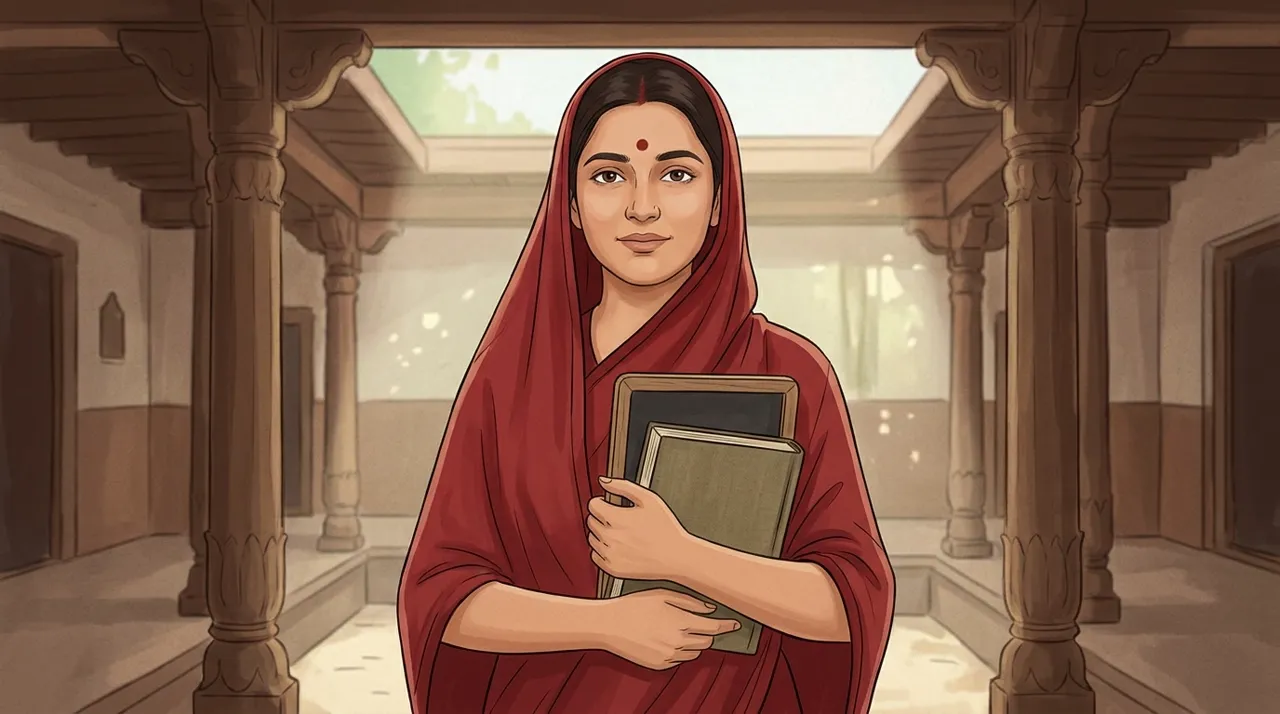
This is the story of Savitribai Phule, one of India's first women teachers. She opened schools for girls at a time when most girls were never taught to read.
यह कहानी है सावित्रीबाई फुले की, जो भारत की पहली महिला शिक्षिकाओं में से एक थीं। उन्होंने लड़कियों के लिए स्कूल तब खोले, जब ज़्यादातर लड़कियों को पढ़ना सिखाया ही नहीं जाता था।
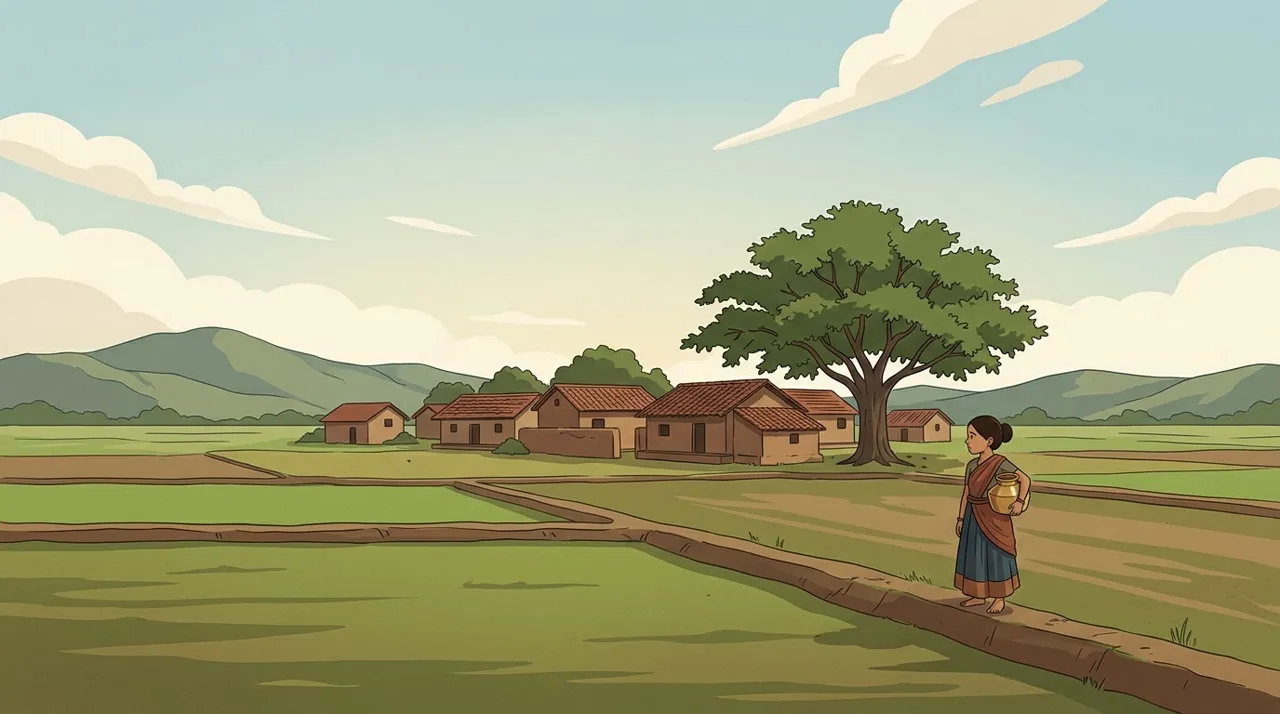
Savitribai was born in 1831 in Naigaon, a village in Maharashtra. At about nine, she was married to Jyotirao Phule, who was thirteen. She could not read or write. In those days, many people believed books were not for girls, or for families of the so-called "lower" castes.
सावित्रीबाई का जन्म 1831 में महाराष्ट्र के नायगाँव गाँव में हुआ। लगभग नौ साल की उम्र में उनकी शादी तेरह साल के ज्योतिराव फुले से हुई। तब उन्हें पढ़ना-लिखना नहीं आता था। उन दिनों बहुत-से लोग मानते थे कि किताबें लड़कियों के लिए नहीं हैं, और न ही तथाकथित "नीची" जातियों के परिवारों के लिए।
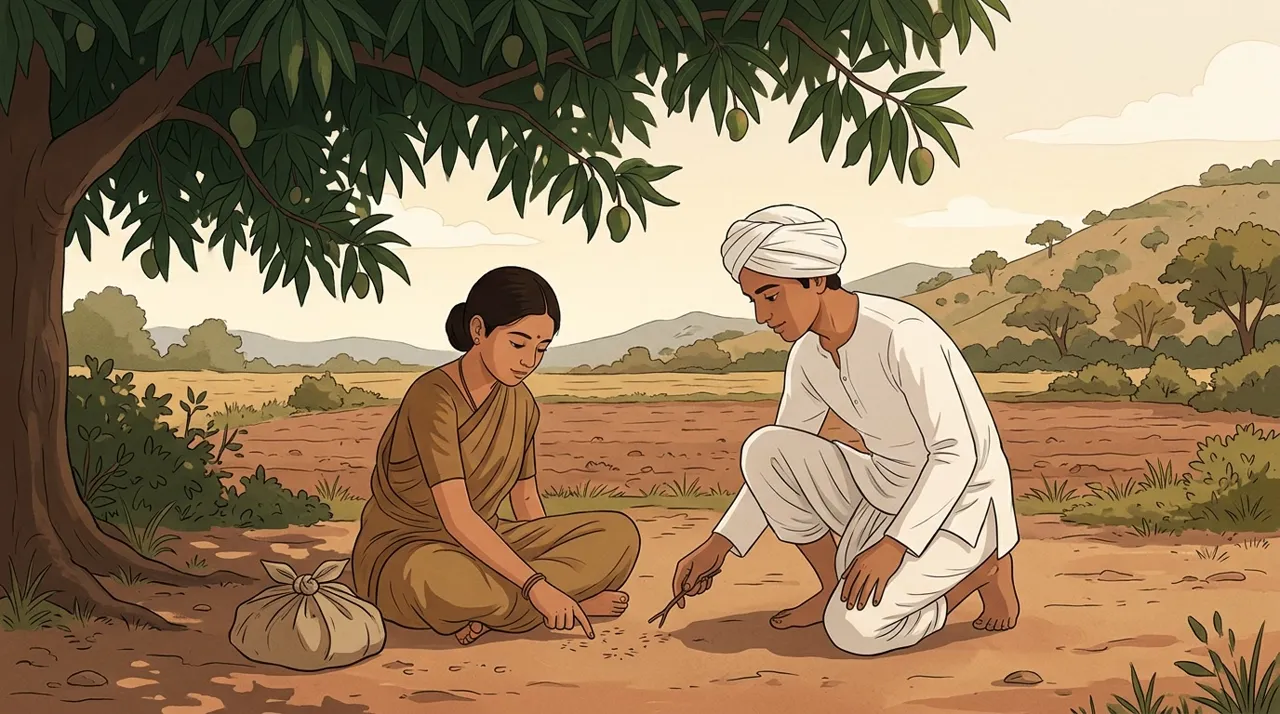
Jyotirao thought differently. He taught Savitribai to read and write at home. She studied hard, and later trained as a teacher, first in Ahmednagar and then in Pune.
ज्योतिराव की सोच अलग थी। उन्होंने घर पर ही सावित्रीबाई को पढ़ना-लिखना सिखाया। सावित्रीबाई ने मन लगाकर पढ़ाई की, और फिर पहले अहमदनगर में और फिर पुणे में शिक्षिका बनने का प्रशिक्षण लिया।
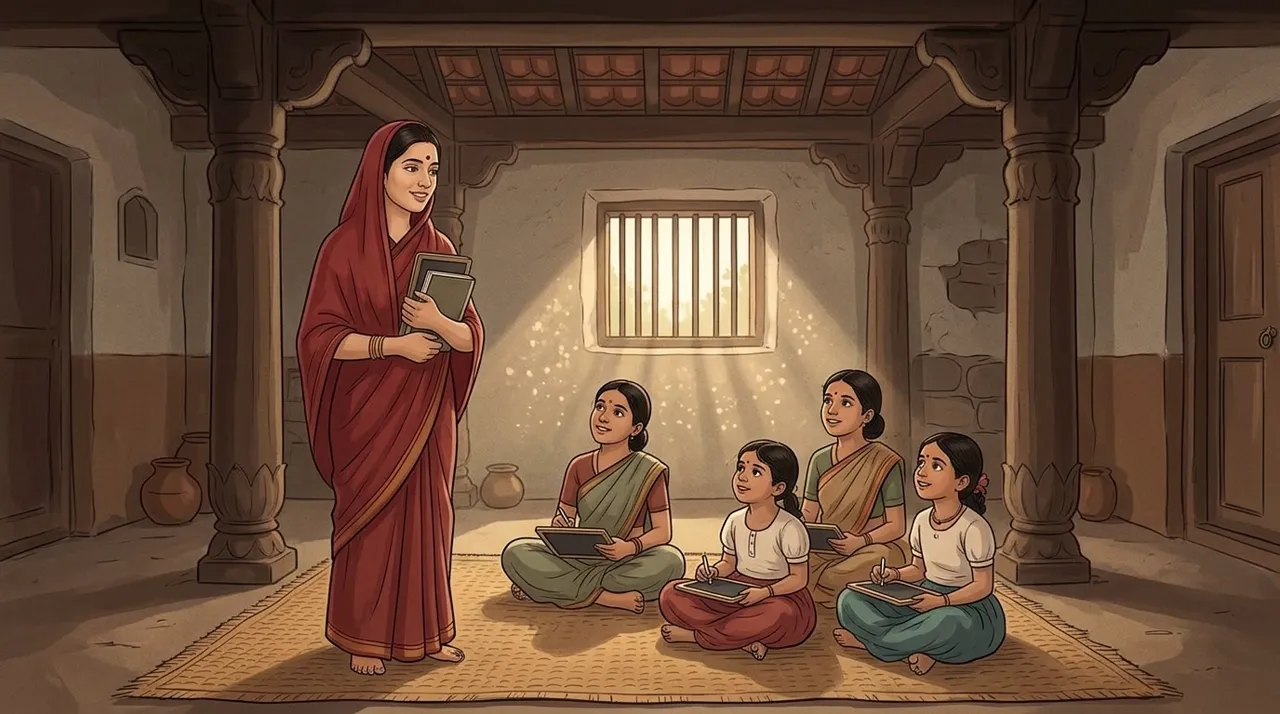
In 1848, Savitribai, Jyotirao and his relative Sagunabai started a school for girls in Pune, in a house called Bhide Wada. Only a few girls came at first. Savitribai, only about seventeen, became their teacher.
1848 में सावित्रीबाई, ज्योतिराव और उनकी रिश्तेदार सगुणाबाई ने पुणे में भिडे वाडा नाम के एक घर में लड़कियों का स्कूल शुरू किया। शुरू में बस कुछ ही लड़कियाँ आईं। लगभग सत्रह साल की सावित्रीबाई उनकी शिक्षिका बनीं।
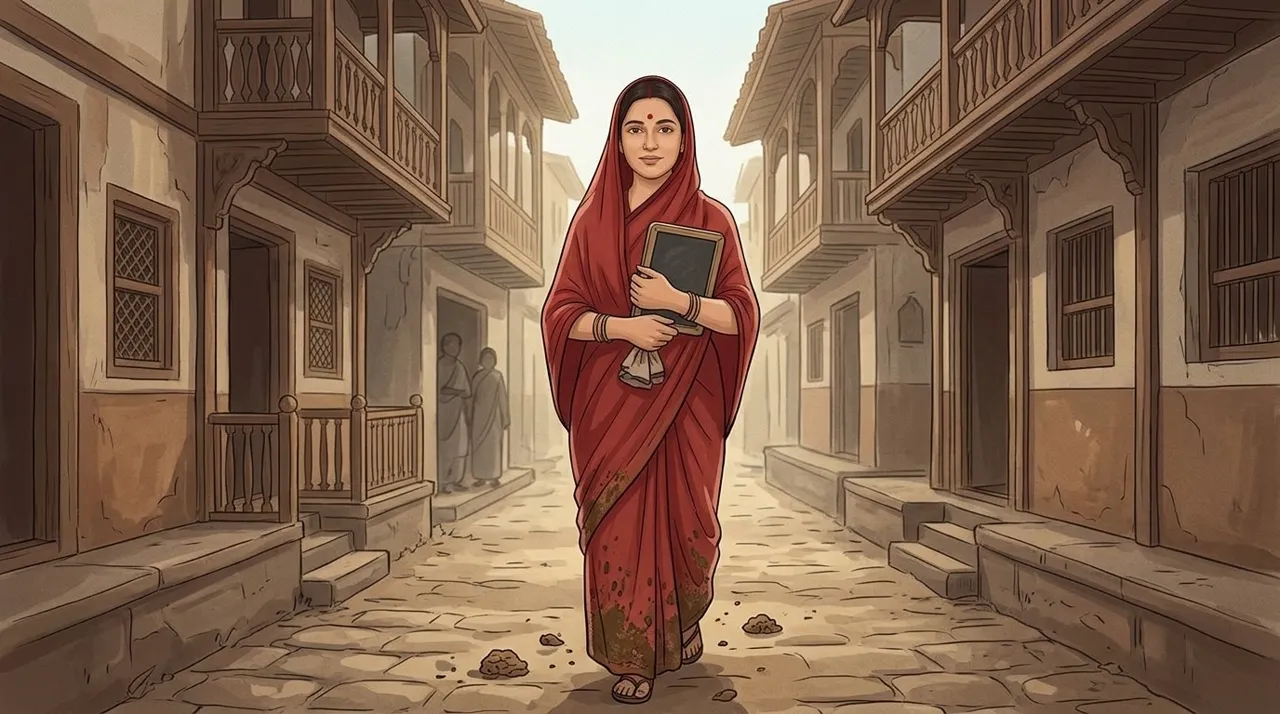
Not everyone was happy. On her way to school, some people shouted insults and threw mud, dung and even stones at her. It is said that she began carrying a second sari. At school she changed, taught her class, and the next day walked the same road again.
यह सबको अच्छा नहीं लगा। स्कूल जाते समय कुछ लोग उन्हें बुरा-भला कहते, और उन पर कीचड़, गोबर, यहाँ तक कि पत्थर भी फेंकते। कहा जाता है कि इसलिए वे अपने साथ एक दूसरी साड़ी रखने लगीं। स्कूल पहुँचकर वे साड़ी बदलतीं, बच्चों को पढ़ातीं, और अगले दिन फिर उसी रास्ते से जातीं।
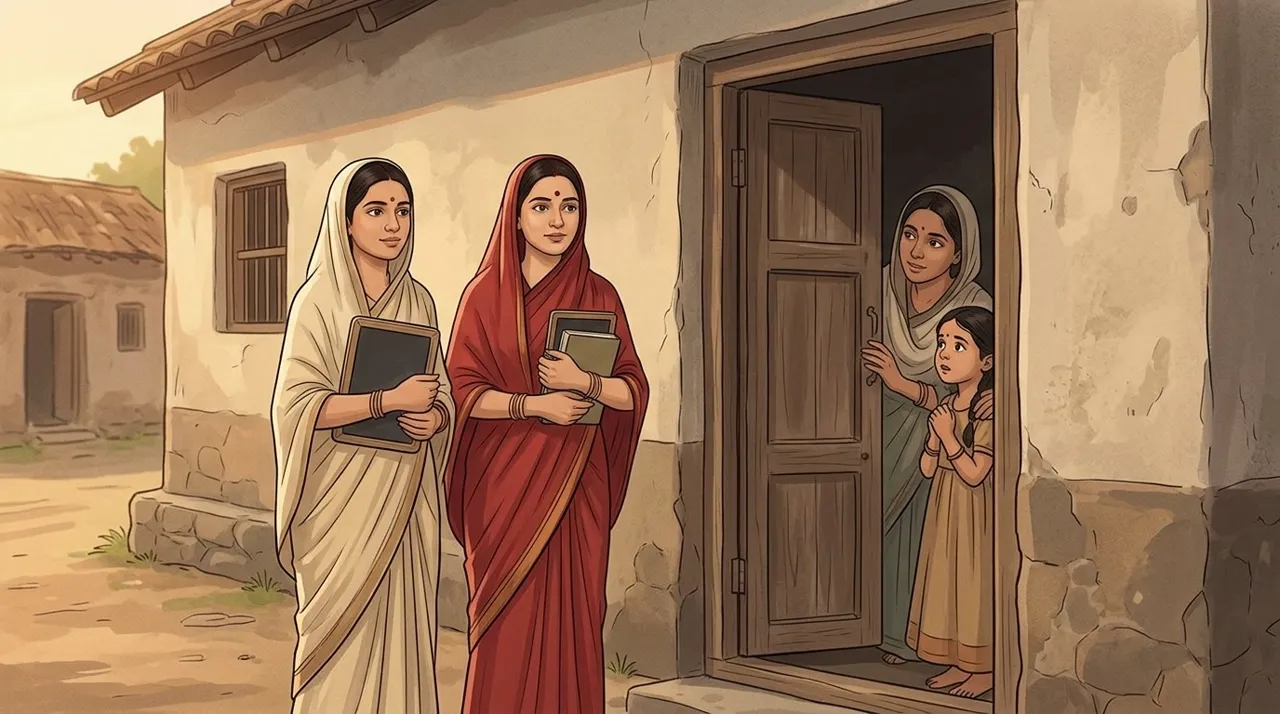
The pressure grew so strong that in 1849 Jyotirao's father asked the couple to leave his house. A friend, Usman Sheikh, gave them a place to stay. His sister, Fatima Sheikh, became Savitribai's fellow teacher. The two women went door to door, asking parents to send their daughters to school.
विरोध इतना बढ़ गया कि 1849 में ज्योतिराव के पिता ने दोनों को घर छोड़ने को कह दिया। तब उनके एक दोस्त, उस्मान शेख़ ने उन्हें रहने की जगह दी। उनकी बहन फ़ातिमा शेख़ सावित्रीबाई के साथ पढ़ाने लगीं। दोनों घर-घर जाकर माता-पिता से कहतीं कि अपनी बेटियों को स्कूल भेजें।
By the end of 1851, the Phules were running three girls' schools in Pune, with about one hundred and fifty pupils from many different castes. Savitribai also wrote poems urging people to get an education. Later, she and Jyotirao opened a home where widows in trouble could safely have their babies.
1851 के आख़िर तक फुले दंपति पुणे में लड़कियों के तीन स्कूल चला रहे थे, जिनमें अलग-अलग जातियों की लगभग डेढ़ सौ छात्राएँ थीं। सावित्रीबाई ने कविताएँ भी लिखीं, जिनमें वे लोगों से शिक्षा पाने को कहती थीं। बाद में उन्होंने और ज्योतिराव ने एक आश्रम खोला, जहाँ मुसीबत में पड़ी विधवाएँ सुरक्षित रूप से अपने बच्चों को जन्म दे सकती थीं।
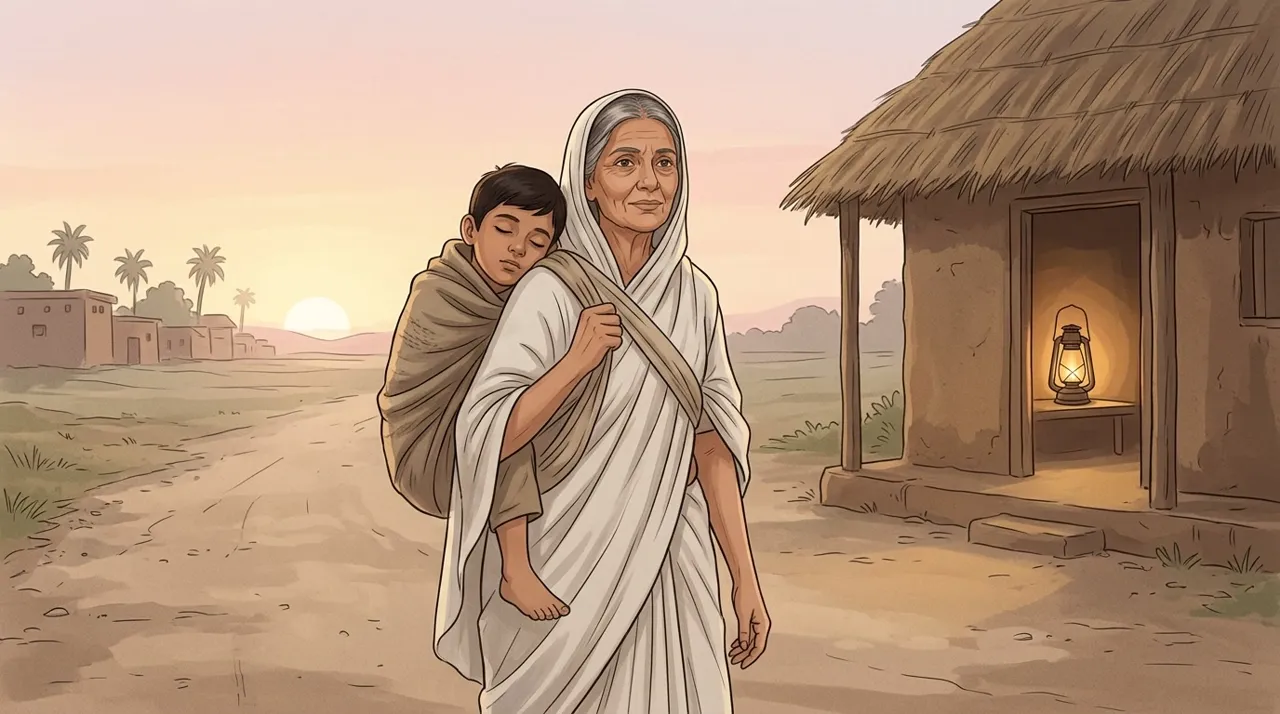
In 1897, a terrible disease called plague spread around Pune. Savitribai, now sixty-six, and her adopted son Yashwant, a doctor, set up a clinic outside the city. When she heard that a sick boy needed help, she took him to the clinic herself. She caught the disease, and on 10 March 1897, Savitribai Phule died.
1897 में पुणे के आसपास प्लेग नाम की एक भयानक बीमारी फैल गई। छियासठ साल की सावित्रीबाई ने अपने गोद लिए बेटे यशवंत के साथ, जो डॉक्टर थे, शहर के बाहर एक दवाख़ाना खोला। जब उन्हें पता चला कि एक बीमार लड़के को मदद चाहिए, तो वे ख़ुद उसे दवाख़ाने ले गईं। उन्हें भी यह बीमारी लग गई, और 10 मार्च 1897 को सावित्रीबाई फुले का निधन हो गया।
Today, Pune's university carries her name, and her birthday is celebrated in Maharashtra's schools as a day for girls. Every time a girl opens a book in class, she walks a little further along the road Savitribai refused to leave.
आज पुणे का विश्वविद्यालय उनके नाम से जाना जाता है, और महाराष्ट्र के स्कूलों में उनका जन्मदिन बालिका दिवस के रूप में मनाया जाता है। जब भी कोई लड़की कक्षा में किताब खोलती है, तो वह उसी रास्ते पर थोड़ा आगे बढ़ती है, जिसे सावित्रीबाई ने कभी नहीं छोड़ा।
Where accounts differजहाँ विवरण अलग हैं
Calling Bhide Wada "India's first girls' school" is common, but missionaries and others had opened girls' schools earlier (for example in Ahmednagar, Bombay and Barasat in Bengal); the story says "one of the first schools for girls run by Indians". The opening is often dated 1 January 1848, while some accounts give a later month in 1848, and one account places the first school in Usman Sheikh's house; the story says only 1848. Her age at marriage is given as nine or ten. The two-saris story comes from later accounts and memoirs and is told as "it is said". Very little was written down about Fatima Sheikh: the main record from the time is an 1856 letter in which Savitribai mentions "Fatima", plus an old photograph and later books; her birth date is not known, and in 2025 her role was publicly debated. Historians still accept that she lived and taught, and the story keeps to that. Accounts differ on where the plague clinic stood (Hadapsar or elsewhere on Pune's edge) and whether the sick boy survived, so the story leaves these out. One scholar notes there is no primary record of Yashwant's adoption, though it is widely reported. The home for widows is dated 1863 in most detailed accounts, though 1853 also appears; the facts follow 1863.
भिडे वाडा को अक्सर "भारत का पहला लड़कियों का स्कूल" कहा जाता है, पर मिशनरियों और दूसरे लोगों ने इससे पहले भी लड़कियों के स्कूल खोले थे (जैसे अहमदनगर, बंबई और बंगाल के बारासात में); इसलिए कहानी में "भारतीयों द्वारा चलाए गए लड़कियों के शुरुआती स्कूल" कहा गया है। स्कूल शुरू होने की तारीख़ अक्सर 1 जनवरी 1848 बताई जाती है, पर कुछ विवरणों में 1848 का कोई बाद का महीना है, और एक विवरण के अनुसार पहला स्कूल उस्मान शेख़ के घर में खुला; कहानी में सिर्फ़ 1848 लिखा है। शादी के समय उनकी उम्र नौ या दस साल बताई जाती है। दो साड़ियों वाली बात बाद के विवरणों और संस्मरणों से आती है, इसलिए उसे "कहा जाता है" के साथ बताया गया है। फ़ातिमा शेख़ के बारे में बहुत कम लिखा गया: उस समय का मुख्य प्रमाण 1856 का एक पत्र है, जिसमें सावित्रीबाई ने "फ़ातिमा" का ज़िक्र किया है, साथ में एक पुरानी तस्वीर और बाद की किताबें; उनकी जन्मतिथि पता नहीं है, और 2025 में उनकी भूमिका पर सार्वजनिक बहस भी हुई। इतिहासकार फिर भी मानते हैं कि वे थीं और पढ़ाती थीं, और कहानी इतनी ही बात कहती है। प्लेग का दवाख़ाना कहाँ था (हडपसर या पुणे के किसी और किनारे पर) और बीमार लड़का बचा या नहीं, इस पर विवरण अलग हैं, इसलिए कहानी में ये बातें नहीं हैं। एक विद्वान के अनुसार यशवंत को गोद लेने का कोई मूल दस्तावेज़ नहीं मिला है, हालाँकि यह बात बहुत जगह बताई जाती है। विधवाओं का आश्रम ज़्यादातर विस्तृत विवरणों में 1863 का बताया गया है, हालाँकि कहीं-कहीं 1853 भी मिलता है; तथ्यों में 1863 लिया गया है।
Sourcesस्रोत
- Savitribai Phule (Wikipedia)
- Savitribai Phule's 194th birth anniversary: a look at the life of India's first woman teacher (The Indian Express)
- Jyotirao Phule (Wikipedia), including the note on earlier girls' schools
- Why is a Bahujan writer questioning the legacy of Fatima Sheikh, an associate of Savitribai Phule? (Scroll.in, 12 January 2025)
- Fatima Sheikh (Wikipedia)
The illustrations are imagined scenes made with AI; they are not portraits of the hero.चित्र AI से बनाए गए काल्पनिक दृश्य हैं; ये नायक के वास्तविक चित्र नहीं हैं।