
Real Heroes Dr A. P. J. Abdul Kalam
Bharat Ratna, 1997; 11th President of Indiaभारत रत्न, 1997; भारत के 11वें राष्ट्रपति
Dr A. P. J. Abdul Kalamडॉ. ए. पी. जे. अब्दुल कलाम
Rameswaram, Tamil Nadu, 1931–2015रामेश्वरम, तमिलनाडु, 1931–2015
- Curiosity and hard workजिज्ञासा और मेहनत
- Learning from failureअसफलता से सीखना
- Serving the youngयुवाओं की सेवा
The storyकहानी
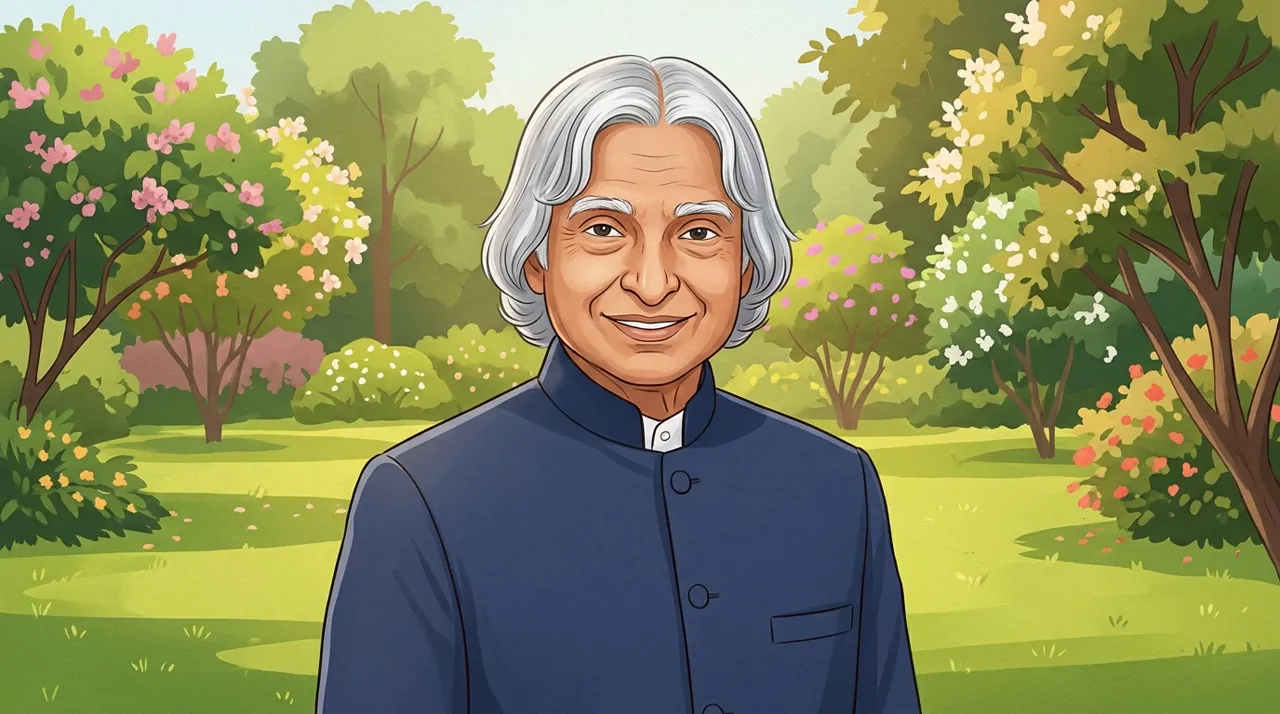
This is the story of Dr A. P. J. Abdul Kalam, a rocket scientist who became the eleventh President of India, and who loved nothing more than talking with students.
यह कहानी है डॉ. ए. पी. जे. अब्दुल कलाम की, एक रॉकेट वैज्ञानिक की, जो भारत के ग्यारहवें राष्ट्रपति बने, और जिन्हें विद्यार्थियों से बात करना सबसे ज़्यादा पसंद था।

Kalam was born in 1931 in Rameswaram, a temple town on an island in Tamil Nadu. His family had little money. As a boy, he helped his cousin deliver newspapers, catching the bundles thrown from a passing train. It was his first pay.
कलाम का जन्म 1931 में तमिलनाडु के एक टापू पर बसे मंदिरों के शहर रामेश्वरम में हुआ। घर में पैसे कम थे। बचपन में वे अपने चचेरे भाई के साथ अख़बार बाँटते थे, और चलती ट्रेन से फेंके गए अख़बारों के बंडल लपककर पकड़ते थे। यही उनकी पहली कमाई थी।
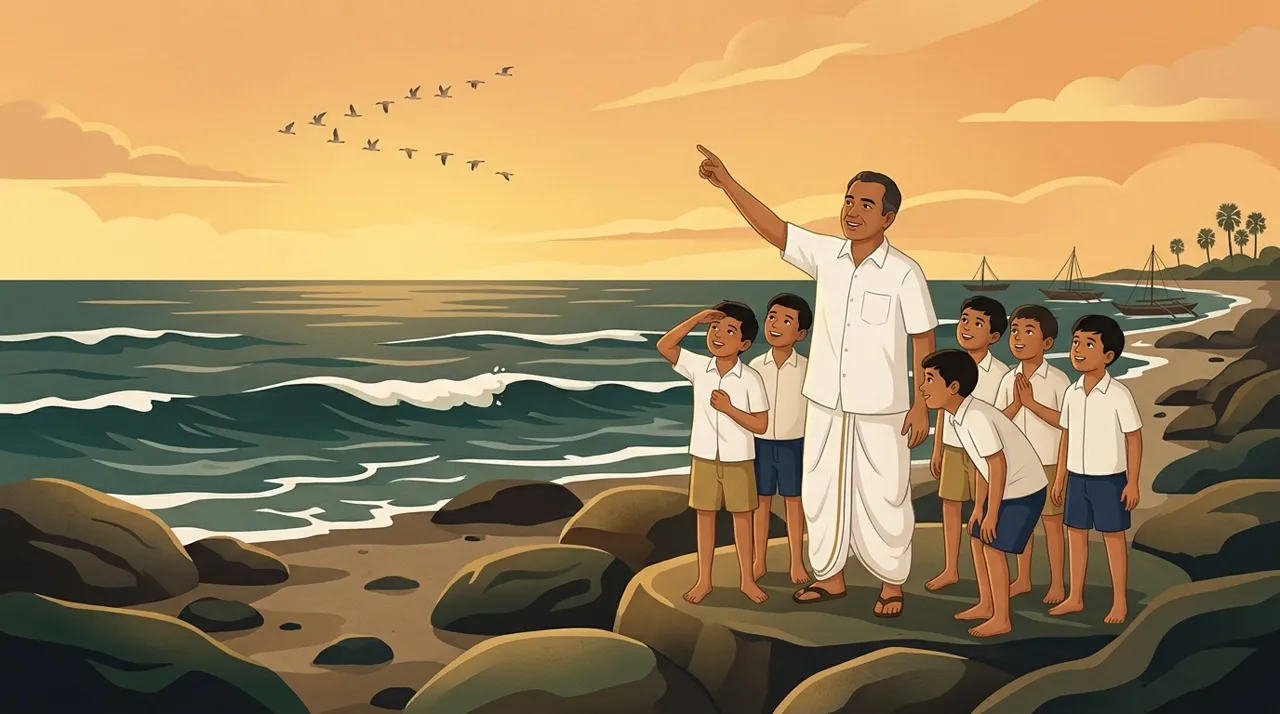
One day his teacher explained how birds fly, but many children did not understand. So that evening he took the whole class to the seashore to watch the sea birds. Kalam later said this lesson made him want to study flight.
एक दिन उनके शिक्षक ने समझाया कि पक्षी कैसे उड़ते हैं, पर कई बच्चों को समझ नहीं आया। तो उसी शाम शिक्षक पूरी कक्षा को समुद्र किनारे ले गए, ताकि बच्चे उड़ते हुए समुद्री पक्षियों को देख सकें। कलाम ने बाद में बताया कि इसी सबक़ ने उनके मन में उड़ान के बारे में पढ़ने की इच्छा जगाई।
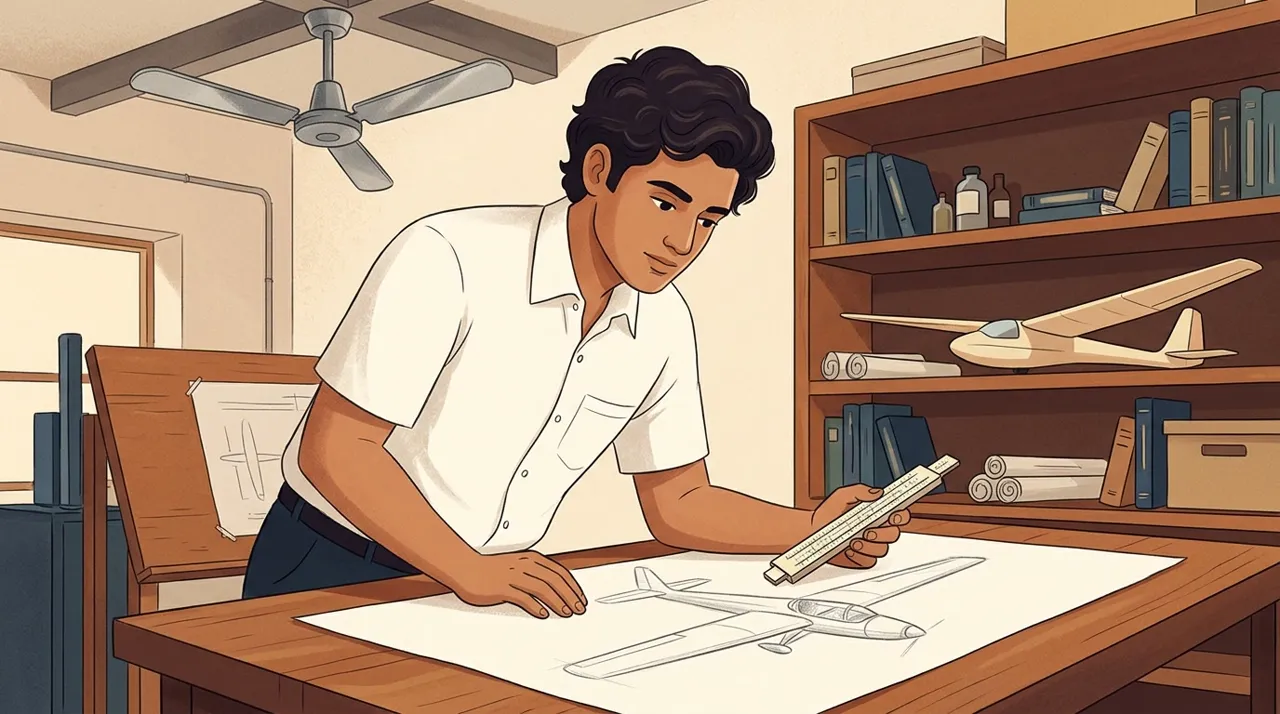
He went on to study engineering in Madras. He dreamed of becoming a fighter pilot, but only eight places were open, and he came ninth. He did not give up. He became a scientist, and in 1969 he joined ISRO, India's space agency.
आगे चलकर उन्होंने मद्रास में इंजीनियरिंग पढ़ी। उनका सपना लड़ाकू विमान का पायलट बनने का था, पर सिर्फ़ आठ जगहें थीं और वे नौवें नंबर पर आए। उन्होंने हार नहीं मानी। वे वैज्ञानिक बने, और 1969 में भारत की अंतरिक्ष संस्था इसरो से जुड़ गए।
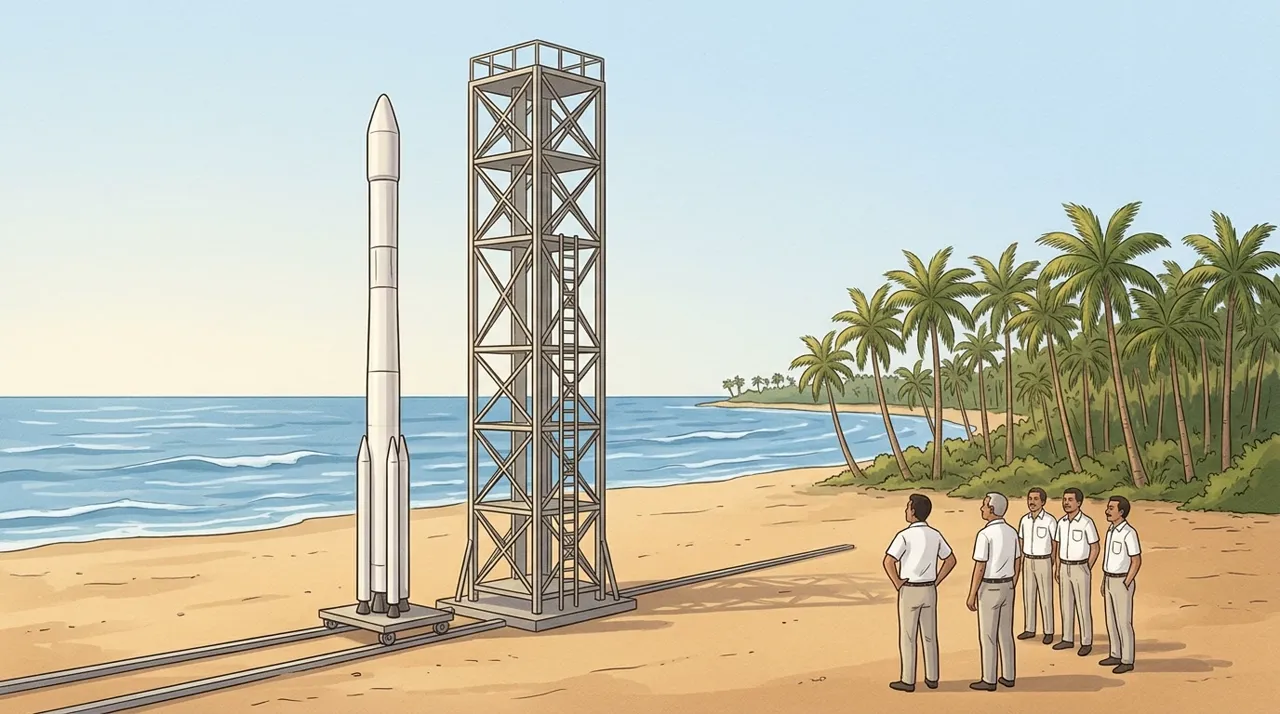
There he led the team building SLV-3, India's first rocket that could carry a satellite into orbit. Thousands of people worked on it for years. On 10 August 1979, it lifted off. But a fault in the second stage sent it into the sea.
वहाँ उन्होंने एसएलवी-3 बनाने वाली टीम का नेतृत्व किया। यह भारत का पहला ऐसा रॉकेट था, जो किसी उपग्रह को अंतरिक्ष की कक्षा में पहुँचा सके। हज़ारों लोगों ने सालों तक इस पर काम किया। 10 अगस्त 1979 को रॉकेट ने उड़ान भरी। लेकिन दूसरे चरण में ख़राबी आ गई, और रॉकेट समुद्र में गिर गया।
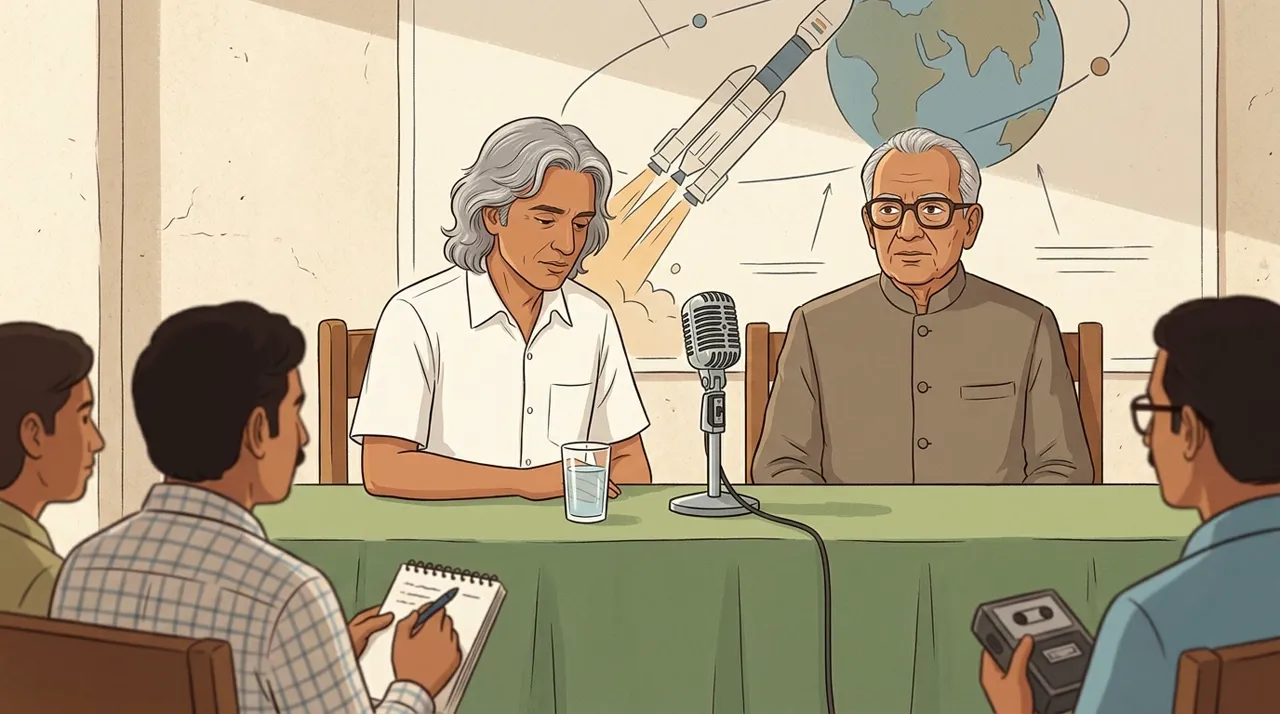
Kalam was the project director, so the blame could easily have fallen on him. But his leader, Professor Satish Dhawan, took Kalam with him to the press conference and said that he himself took responsibility.
कलाम इस परियोजना के निदेशक थे, इसलिए दोष आसानी से उन पर आ सकता था। लेकिन उनके मुखिया, प्रोफ़ेसर सतीश धवन, कलाम को अपने साथ पत्रकारों के सामने ले गए और कहा कि इसकी ज़िम्मेदारी वे ख़ुद लेते हैं।
The team found the fault and tried again. On 18 July 1980, SLV-3 placed the Rohini satellite in orbit. This time, Professor Dhawan put Kalam in front of the reporters to share the success. Kalam never forgot it. A true leader, he said, gives the team the credit for success, and takes the blame for failure.
टीम ने ख़राबी ढूँढी और फिर कोशिश की। 18 जुलाई 1980 को एसएलवी-3 ने रोहिणी उपग्रह को कक्षा में पहुँचा दिया। इस बार प्रोफ़ेसर धवन ने कलाम को आगे करके पत्रकारों से सफलता की बात करने दी। कलाम यह बात कभी नहीं भूले। वे कहते थे कि सच्चा नेता सफलता का श्रेय टीम को देता है, और असफलता का दोष अपने ऊपर लेता है।
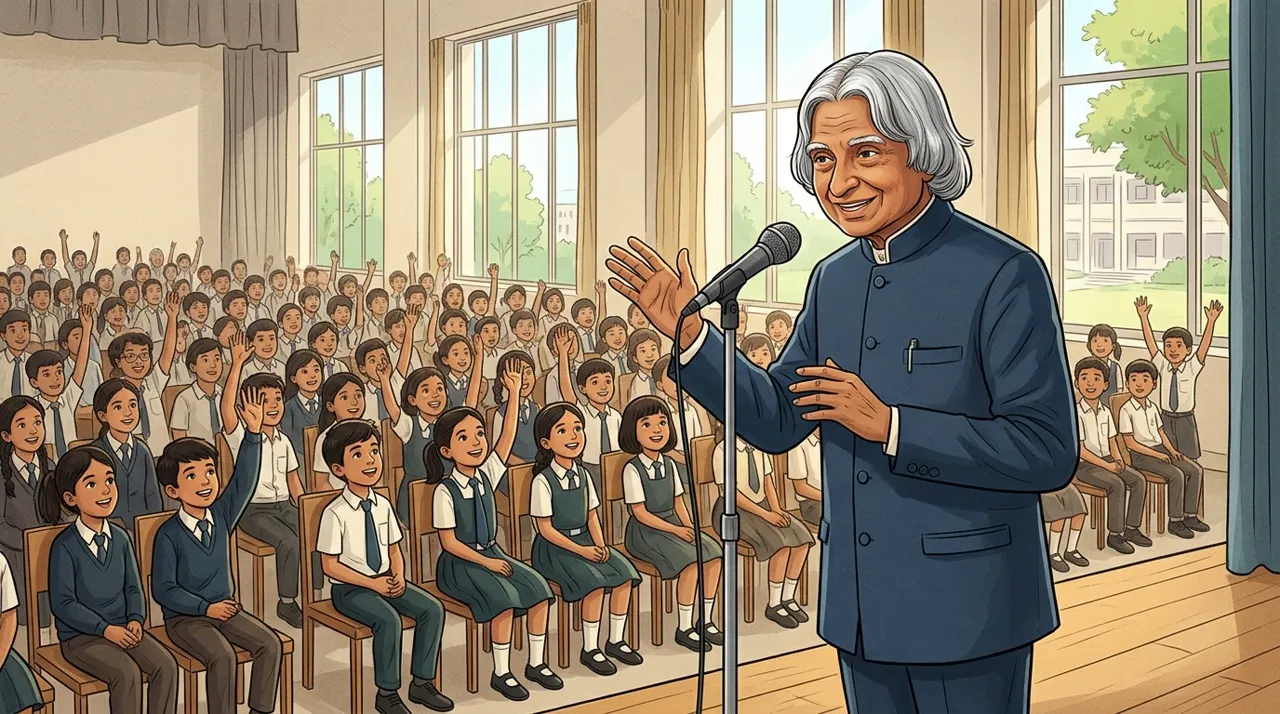
He later led India's missile programme, received the Bharat Ratna in 1997, and became President in 2002. Wherever he went, he asked to meet students, and told them to dream big and work hard. People called him the People's President.
बाद में उन्होंने भारत के मिसाइल कार्यक्रम का नेतृत्व किया, 1997 में उन्हें भारत रत्न मिला, और 2002 में वे राष्ट्रपति बने। वे जहाँ भी जाते, विद्यार्थियों से मिलना चाहते, और उनसे कहते कि बड़े सपने देखो और ख़ूब मेहनत करो। लोग उन्हें प्यार से 'जनता के राष्ट्रपति' कहते थे।
On 27 July 2015, aged 83, he collapsed while giving a lecture to students in Shillong, and passed away that evening. He was teaching until the very end. His story reminds us to stay curious, work hard, learn from every failure, and lift others up as we rise.
27 जुलाई 2015 को, 83 साल की उम्र में, शिलॉन्ग में विद्यार्थियों को व्याख्यान देते हुए वे गिर पड़े, और उसी शाम उनका निधन हो गया। वे आख़िरी पल तक पढ़ाते रहे। उनकी कहानी हमें सिखाती है कि जिज्ञासु बने रहो, मेहनत करो, हर असफलता से सीखो, और ख़ुद आगे बढ़ते हुए दूसरों को भी ऊपर उठाओ।
Where accounts differजहाँ विवरण अलग हैं
Kalam's own account (speech at Kochi, 26 September 2003) says the 1979 failure came from the control system of the second stage and that Professor Dhawan took him to the press conference and took responsibility himself; some retellings say Dhawan kept Kalam away from the press, and others name a faulty valve. The story follows Kalam's own words. Popular retellings say he 'sold newspapers'; in his autobiography he helped his cousin Samsuddin distribute them during the Second World War. His age at the bird lesson varies between his speeches (class 5, or about 10 years old). The fighter-pilot story (ninth for eight places) comes from his own account. A few reports gave his age at death as 84; most say 83.
कलाम के अपने विवरण (कोच्चि में 26 सितंबर 2003 का भाषण) के अनुसार 1979 की असफलता दूसरे चरण के नियंत्रण तंत्र की ख़राबी से हुई, और प्रोफ़ेसर धवन उन्हें अपने साथ प्रेस कॉन्फ़्रेंस में ले गए और ज़िम्मेदारी ख़ुद ली। कुछ विवरणों में लिखा है कि धवन ने कलाम को पत्रकारों से दूर रखा, और कुछ में एक ख़राब वाल्व को कारण बताया गया है। कहानी कलाम के अपने शब्दों पर आधारित है। लोकप्रिय कहानियों में कहा जाता है कि वे 'अख़बार बेचते थे'; उनकी आत्मकथा के अनुसार वे दूसरे विश्व युद्ध के समय अपने चचेरे भाई शम्सुद्दीन की अख़बार बाँटने में मदद करते थे। पक्षियों वाले सबक़ के समय उनकी उम्र उनके अलग-अलग भाषणों में अलग बताई गई है (पाँचवीं कक्षा, या लगभग 10 साल)। लड़ाकू पायलट वाली बात (आठ जगहों के लिए नौवाँ स्थान) उनके अपने विवरण से है। कुछ ख़बरों में निधन के समय उनकी उम्र 84 बताई गई; ज़्यादातर में 83।
Sourcesस्रोत
- A. P. J. Abdul Kalam (Wikipedia)
- Address to one lakh students and youth, Kochi, 26 September 2003: Kalam's own account of SLV-3 and Prof. Satish Dhawan (President of India website)
- Address to students at Naval Base, Kochi, 25 April 2004: the bird-flight lesson (President of India website)
- Satellite Launch Vehicle (Wikipedia)
- APJ Abdul Kalam, People's President, passes away in Shillong (Business Today)
The illustrations are imagined scenes made with AI; they are not portraits of the hero.चित्र AI से बनाए गए काल्पनिक दृश्य हैं; ये नायक के वास्तविक चित्र नहीं हैं।