
Real Heroes Major Dhyan Chand
Three Olympic gold medals; Padma Bhushan, 1956तीन ओलंपिक स्वर्ण पदक; पद्म भूषण, 1956
Major Dhyan Chandमेजर ध्यानचंद
Amsterdam, Los Angeles and Berlin, 1928–1936एम्स्टर्डम, लॉस एंजेलिस और बर्लिन, 1928–1936
- Practice and hard workलगन और मेहनत
- Playing for the teamटीम के लिए खेलना
- Humility in victoryजीत में भी विनम्रता
The storyकहानी
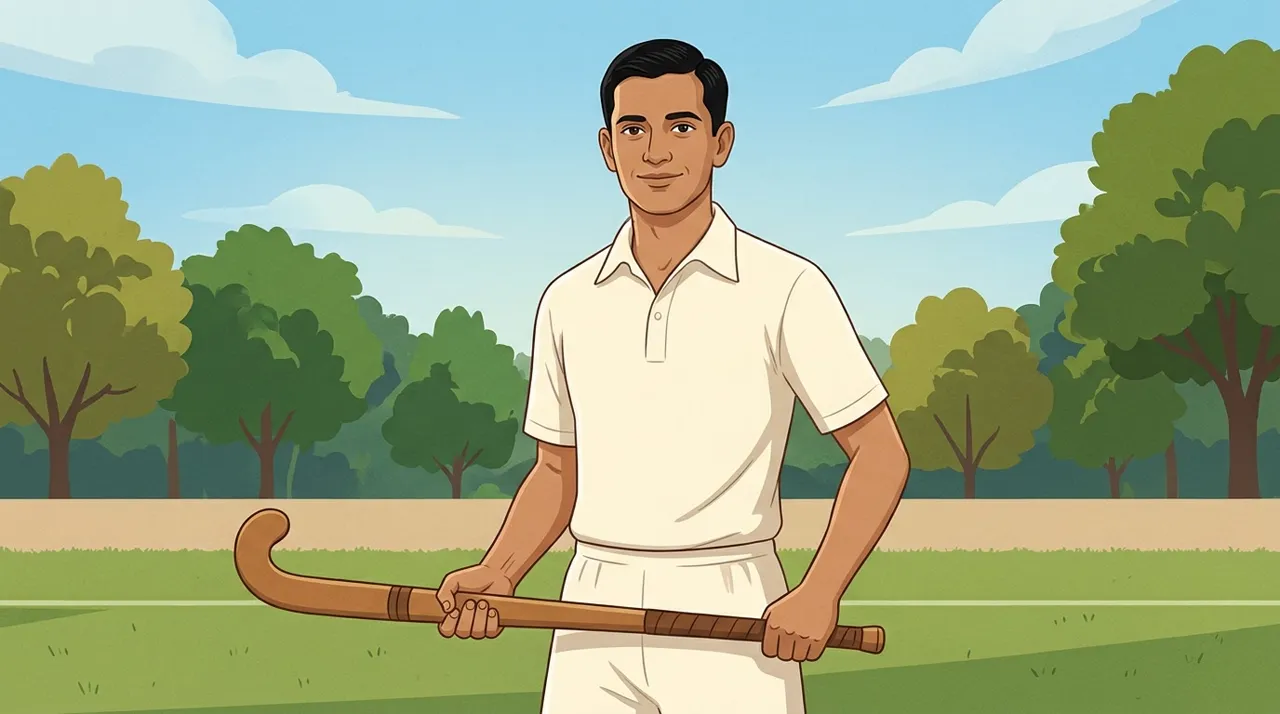
This is the story of Major Dhyan Chand, the hockey player people all over the world called the Wizard of Hockey. He helped India win three Olympic gold medals in a row.
यह कहानी है मेजर ध्यानचंद की, जिन्हें पूरी दुनिया 'हॉकी का जादूगर' कहती थी। उन्होंने भारत को लगातार तीन ओलंपिक स्वर्ण पदक जिताने में मदद की।
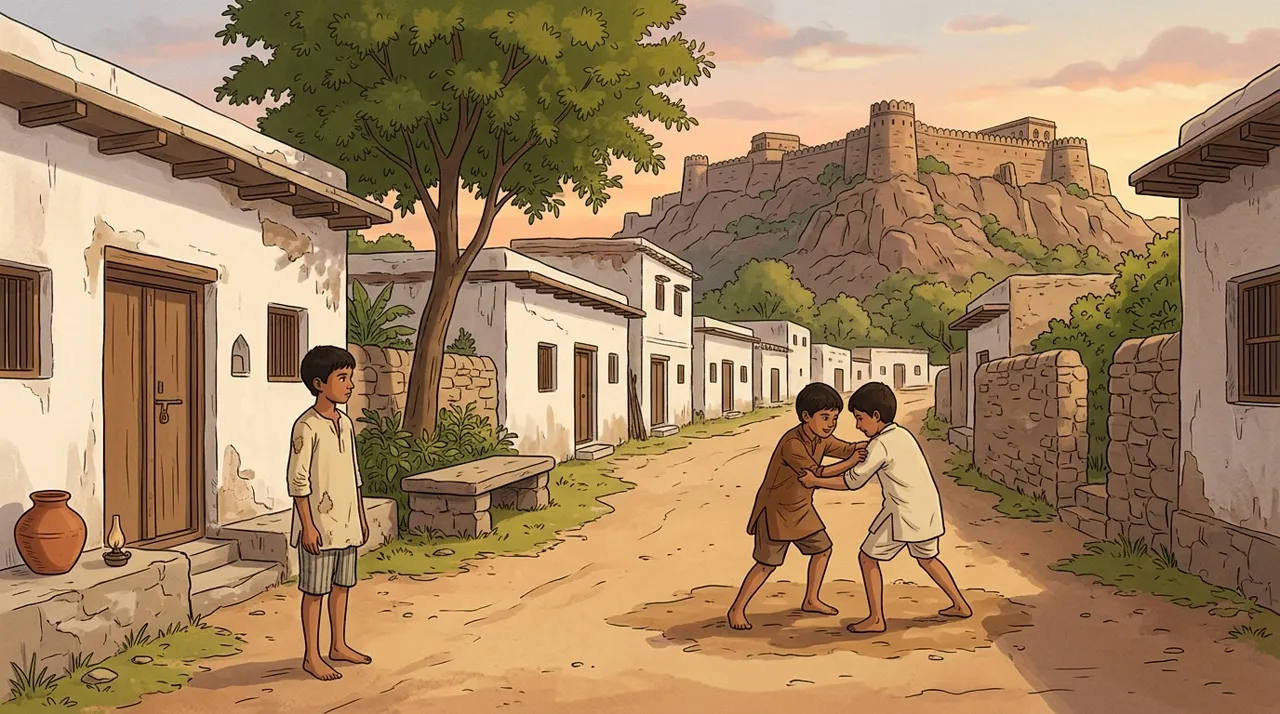
He was born Dhyan Singh in 1905, in Allahabad. His father was a soldier who was often moved to new towns, so Dhyan went to school for only six years. The family finally settled in Jhansi. As a boy, he liked wrestling more than hockey.
उनका जन्म 1905 में इलाहाबाद में हुआ, और उनका नाम था ध्यान सिंह। उनके पिता सैनिक थे और उनकी बदली बार-बार एक शहर से दूसरे शहर होती रहती थी, इसलिए ध्यान सिर्फ़ छह साल ही स्कूल जा पाए। आख़िर में परिवार झाँसी में बस गया। बचपन में उन्हें हॉकी से ज़्यादा कुश्ती पसंद थी।

At seventeen, he joined the army as a sepoy, and there he began to play hockey seriously. His army duties filled the day, so he practised at night, alone, under the light of the moon. Soon people began calling him Chand, which means moon. Dhyan Singh became Dhyan Chand.
सत्रह साल की उम्र में वे सिपाही बनकर सेना में भर्ती हुए, और वहीं उन्होंने गंभीरता से हॉकी खेलना शुरू किया। दिन भर सेना की ड्यूटी रहती थी, इसलिए वे रात में अकेले, चाँद की रोशनी में अभ्यास करते थे। जल्दी ही लोग उन्हें 'चंद' यानी 'चाँद' कहने लगे। इस तरह ध्यान सिंह बन गए ध्यानचंद।
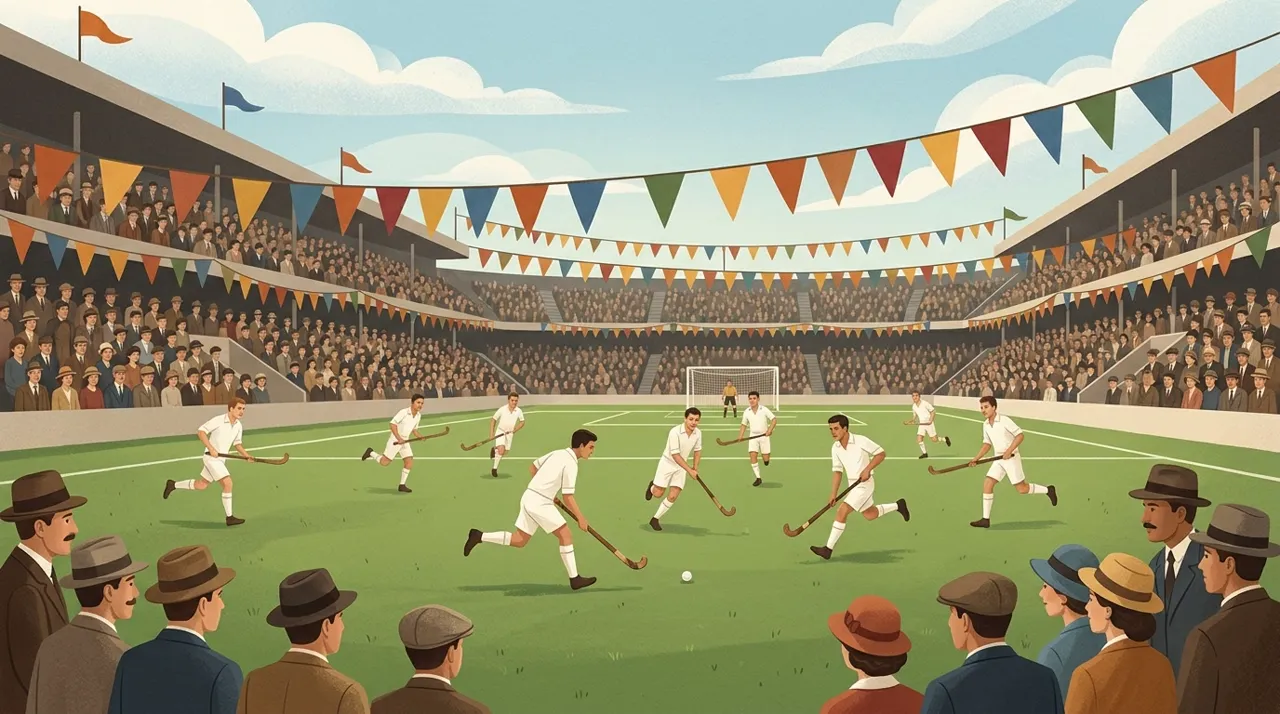
In 1928, India sent a hockey team to the Olympic Games for the first time, in Amsterdam. The ball seemed to stay close to his stick wherever he ran. He was the top scorer of the tournament, and India won the gold medal.
1928 में भारत ने पहली बार ओलंपिक खेलों में अपनी हॉकी टीम भेजी। खेल एम्स्टर्डम में हुए। वे जहाँ भी दौड़ते, गेंद जैसे उनकी स्टिक के साथ चिपकी रहती। पूरे टूर्नामेंट में सबसे ज़्यादा गोल उन्होंने किए, और भारत ने स्वर्ण पदक जीता।
Four years later, at Los Angeles, his younger brother Roop Singh was in the team too. In the deciding match, India beat the hosts, the United States, twenty-four goals to one. Dhyan Chand scored eight of them. India had won gold again.
चार साल बाद, लॉस एंजेलिस में, उनके छोटे भाई रूप सिंह भी टीम में थे। निर्णायक मैच में भारत ने मेज़बान अमेरिका को 24–1 से हराया। इनमें से आठ गोल ध्यानचंद ने किए। भारत ने फिर से स्वर्ण पदक जीत लिया।
In 1936, at Berlin, Dhyan Chand was the captain. Weeks earlier, Germany had beaten India in a practice match, so the players were nervous when they met Germany in the final, on the fifteenth of August, before a huge crowd.
1936 में बर्लिन में ध्यानचंद टीम के कप्तान थे। कुछ हफ़्ते पहले जर्मनी ने एक अभ्यास मैच में भारत को हरा दिया था, इसलिए जब पंद्रह अगस्त को, बहुत बड़ी भीड़ के सामने, फ़ाइनल में फिर जर्मनी से मुक़ाबला हुआ, तो खिलाड़ी घबराए हुए थे।
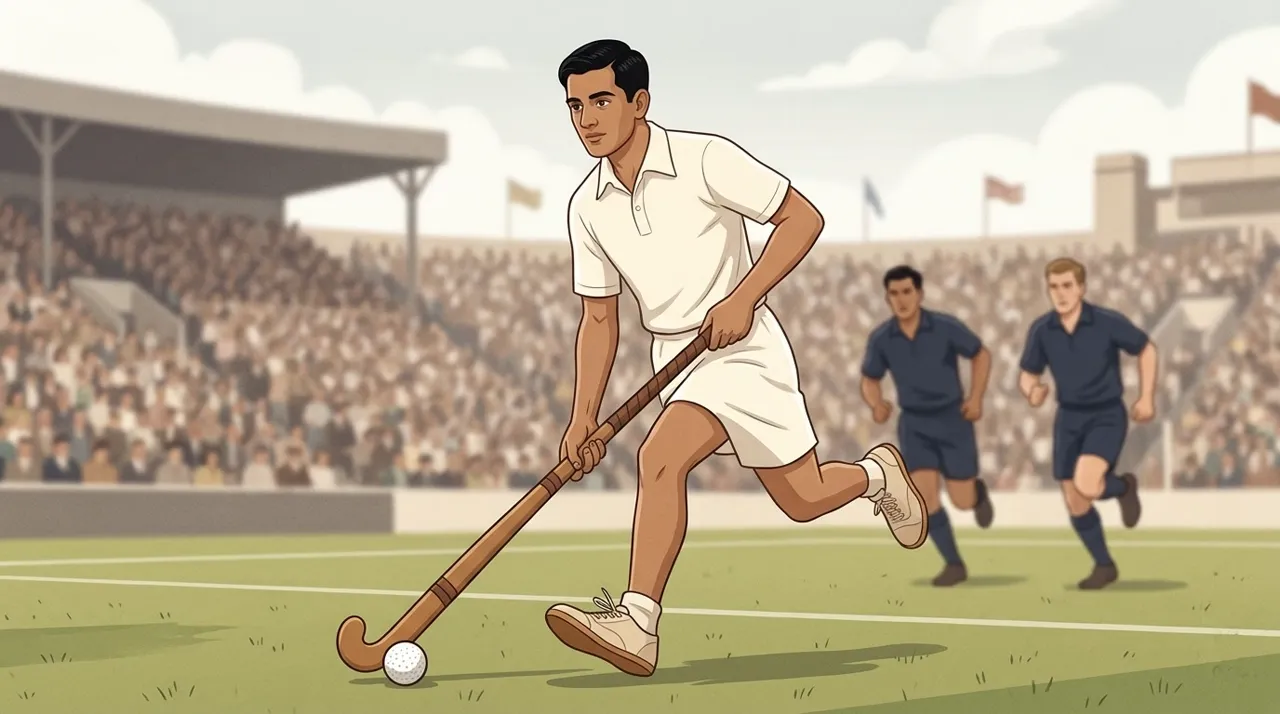
At half-time, India led by just one goal. Then Dhyan Chand took off his heavy spiked shoes and played on in light rubber-soled shoes, and became even faster. India won eight goals to one. Dhyan Chand scored three, and India had its third gold in a row.
हाफ़-टाइम तक भारत सिर्फ़ एक गोल से आगे था। तब ध्यानचंद ने अपने भारी कीलों वाले जूते उतार दिए और हल्के रबर के तलवे वाले जूतों में खेलने लगे, और उनकी रफ़्तार और बढ़ गई। भारत 8–1 से जीता। ध्यानचंद ने तीन गोल किए, और भारत ने लगातार तीसरा स्वर्ण पदक जीता।
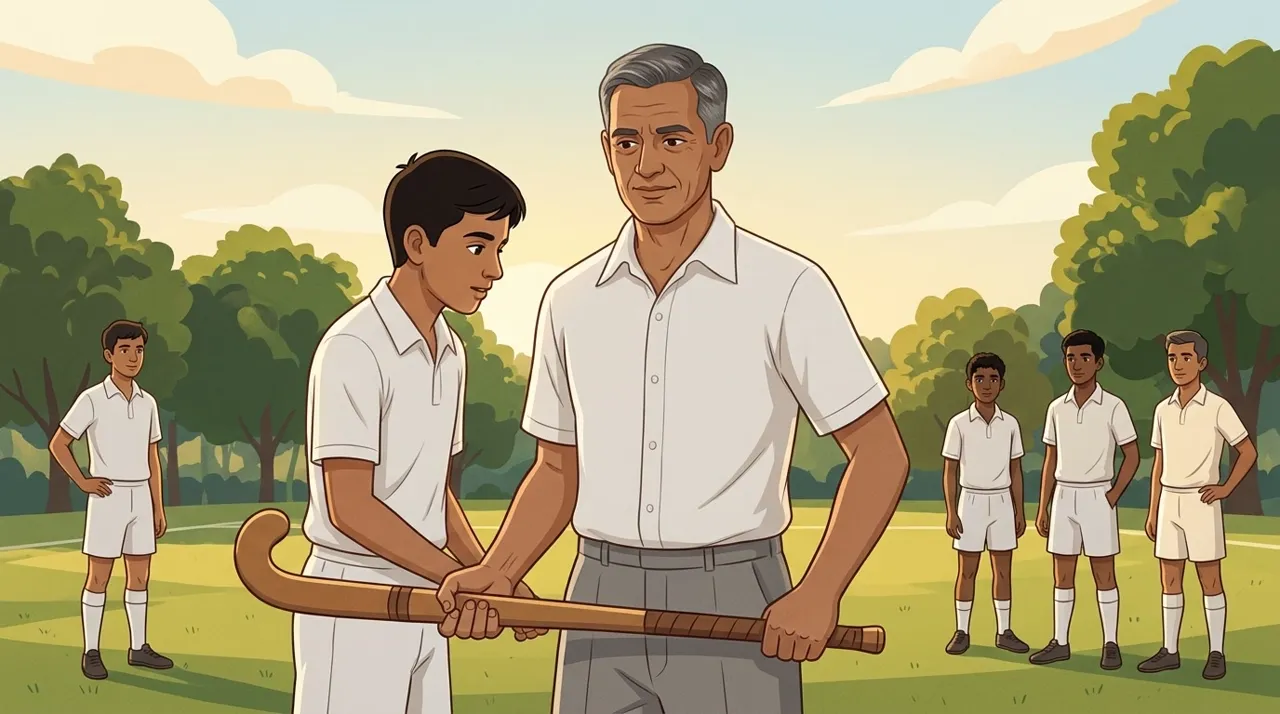
He served in the army for thirty-four years and played until he was over forty. In 1956 he received the Padma Bhushan. Later, as chief hockey coach at the National Institute of Sports in Patiala, he trained young players. He died in 1979.
वे चौंतीस साल तक सेना में रहे और चालीस की उम्र के बाद तक खेलते रहे। 1956 में उन्हें पद्म भूषण मिला। बाद में पटियाला के राष्ट्रीय खेल संस्थान में हॉकी के मुख्य कोच के रूप में उन्होंने नए खिलाड़ियों को तैयार किया। 1979 में उनका निधन हो गया।
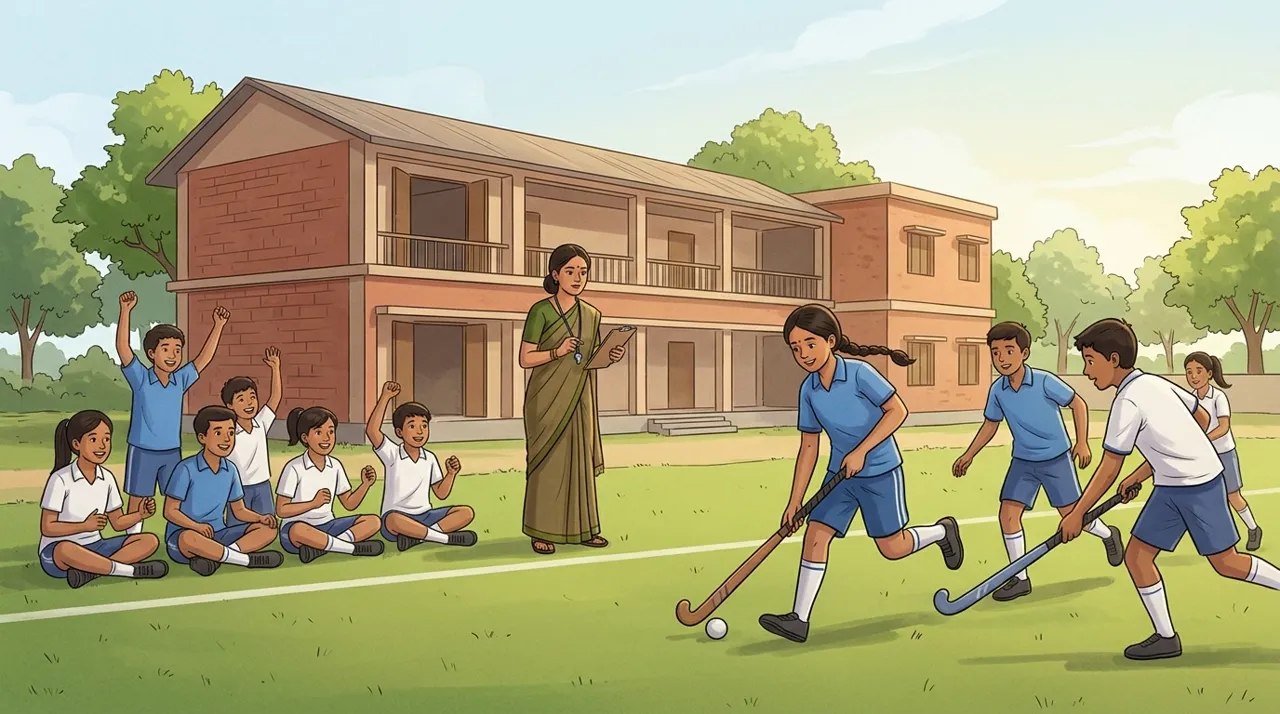
Today, his birthday, the twenty-ninth of August, is celebrated as National Sports Day, and India's highest sports award carries his name. His story reminds us that great skill grows from quiet practice, long after others have gone to sleep.
आज उनका जन्मदिन, 29 अगस्त, राष्ट्रीय खेल दिवस के रूप में मनाया जाता है, और भारत का सबसे बड़ा खेल सम्मान उनके नाम पर है। उनकी कहानी हमें सिखाती है कि बड़ा हुनर चुपचाप की गई मेहनत से बनता है, तब भी, जब बाक़ी सब सो चुके हों।
Where accounts differजहाँ विवरण अलग हैं
The 1936 final: all sources agree India beat Germany 8–1 on 15 August 1936 (postponed one day by rain; a few pages wrongly give 7 or 19 August). Dhyan Chand wrote in his autobiography 'Goal!' that he scored three goals, and Olympic records (Olympedia) agree; some newspaper reports of the time said four, and the popular claim of six is wrong. The story follows three. The 1932 tournament had only three teams playing each other once, so the 24–1 match against the USA, often called the final, was really the deciding last match. His other tallies also vary: 14 or 15 goals at Amsterdam 1928, and his total for three Olympics is often given as 37 in 12 matches, though adding up match records gives a slightly different number, so the story avoids a total. Olympedia gives his birth date as 28 August 1905; most sources, and National Sports Day, use 29 August. He is known everywhere as 'Major', but some records say he retired in 1956 as a lieutenant (acting captain). The moonlight story of his name is widely told but who first called him 'Chand' is not recorded. Famous anecdotes are legends that cannot be confirmed and are not in the story: that officials in the Netherlands broke his stick open to look for a magnet, that he scored with an old woman's walking stick, that Hitler offered him German citizenship and a high army rank, and that a statue in Vienna shows him with four arms.
1936 का फ़ाइनल: सभी स्रोत मानते हैं कि भारत ने 15 अगस्त 1936 को जर्मनी को 8–1 से हराया (बारिश के कारण मैच एक दिन टला था; कुछ पन्नों पर ग़लती से 7 या 19 अगस्त लिखा है)। ध्यानचंद ने अपनी आत्मकथा 'गोल!' में लिखा कि उन्होंने तीन गोल किए, और ओलंपिक रिकॉर्ड (ओलंपीडिया) भी यही कहते हैं; उस समय के कुछ अख़बारों ने चार गोल बताए, और छह गोल वाली मशहूर बात ग़लत है। कहानी में तीन गोल लिए गए हैं। 1932 में सिर्फ़ तीन टीमें थीं और हर टीम दूसरी से एक बार खेली, इसलिए अमेरिका पर 24–1 वाली जीत, जिसे अक्सर फ़ाइनल कहा जाता है, असल में आख़िरी निर्णायक मैच थी। उनके दूसरे आँकड़े भी अलग-अलग मिलते हैं: एम्स्टर्डम 1928 में 14 या 15 गोल, और तीनों ओलंपिक में कुल गोल अक्सर 12 मैचों में 37 बताए जाते हैं, पर मैचों के रिकॉर्ड जोड़ने पर संख्या थोड़ी अलग आती है, इसलिए कहानी में कुल संख्या नहीं दी गई। ओलंपीडिया उनकी जन्मतिथि 28 अगस्त 1905 बताता है; ज़्यादातर स्रोत, और राष्ट्रीय खेल दिवस, 29 अगस्त मानते हैं। वे हर जगह 'मेजर' के नाम से जाने जाते हैं, पर कुछ रिकॉर्ड कहते हैं कि 1956 में वे लेफ़्टिनेंट (कार्यवाहक कैप्टन) के पद से रिटायर हुए। चाँद की रोशनी वाली कहानी बहुत सुनाई जाती है, पर उन्हें सबसे पहले 'चाँद' किसने कहा, यह दर्ज नहीं है। कुछ मशहूर क़िस्से किंवदंतियाँ हैं जिनकी पुष्टि नहीं होती, इसलिए वे कहानी में नहीं हैं: कि नीदरलैंड में अधिकारियों ने चुंबक ढूँढने के लिए उनकी स्टिक तोड़कर देखी, कि उन्होंने एक बुज़ुर्ग महिला की छड़ी से गोल किए, कि हिटलर ने उन्हें जर्मनी की नागरिकता और सेना में ऊँचा पद देने की पेशकश की, और कि वियना में उनकी चार हाथों वाली मूर्ति है।
Sourcesस्रोत
- Dhyan Chand (Wikipedia), including his account of the 1936 final from his autobiography 'Goal!'
- Dhyan Chand, athlete profile (Olympedia)
- Hockey, Men, 1936 Berlin: final, India 8–1 Germany, 15 August 1936 (Olympedia)
- National Sports Day 2024 (Press Information Bureau, Government of India)
- Dhyan Chand: The Legend Lives On, early army years and the moonlight story (Bharatiya Hockey)
The illustrations are imagined scenes made with AI; they are not portraits of the hero.चित्र AI से बनाए गए काल्पनिक दृश्य हैं; ये नायक के वास्तविक चित्र नहीं हैं।